Description
Yellow restharrow (Latin: Ononis natrix) is a perennial herbaceous plant or small shrub belonging to the Fabaceae family. It is recognized for its ecological resilience and medicinal properties. In agricultural contexts, it is cultivated primarily for its roots, which are highly valued in the production of herbal pharmaceutical ingredients.
The plant originates from the Mediterranean region and Southern Europe, where it thrives in rugged, arid landscapes. Its natural distribution is largely confined to regions with a warm, temperate climate. It is adapted to survive in harsh conditions, making it a viable candidate for land reclamation and medicinal cropping in unfavorable soil types.
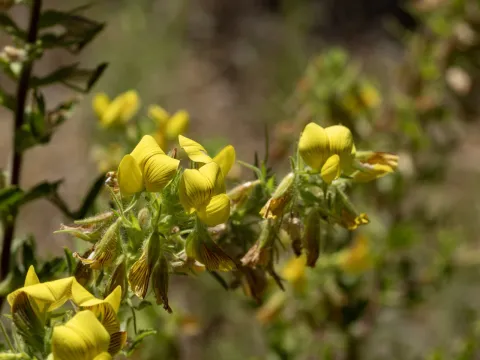
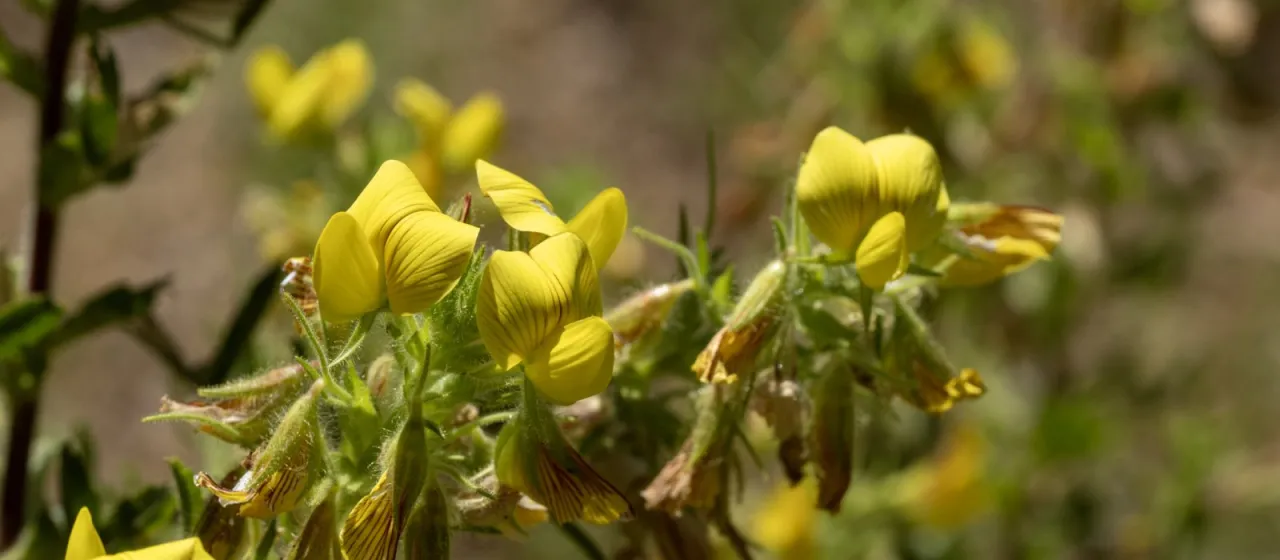
Botanically, it is characterized by its glandular, sticky hairs covering the foliage and stems. It typically grows to a height of 20–60 cm and features trifoliate leaves. The flowers are bright yellow, often distinguished by reddish venation, following the typical pea-flower structure common to the legume family. The plant possesses a deep taproot, which allows it to access groundwater during prolonged droughts.
Agricultural requirements for Yellow restharrow include well-drained, sandy, or calcareous soils with a neutral to slightly alkaline pH. It demands full sun exposure and is highly sensitive to waterlogging. Seedbed preparation must focus on ensuring excellent drainage to prevent root issues, and slow early development means initial weed control is critical for establishing a healthy crop stand.
The primary economic use of this plant is in the pharmaceutical industry. The roots are harvested for their flavonoid and saponin content, which are used to produce diuretic and anti-inflammatory medications. Furthermore, its role as a honey plant provides additional agricultural value by supporting local pollinator populations in field margins.
Common agricultural pests and diseases include:
- Rust fungi, which develop in high humidity environments.
- Wireworms that can damage the root system in poorly managed soils.
- Aphids, which typically appear on the soft, sticky growth during the spring.
Photo gallery