
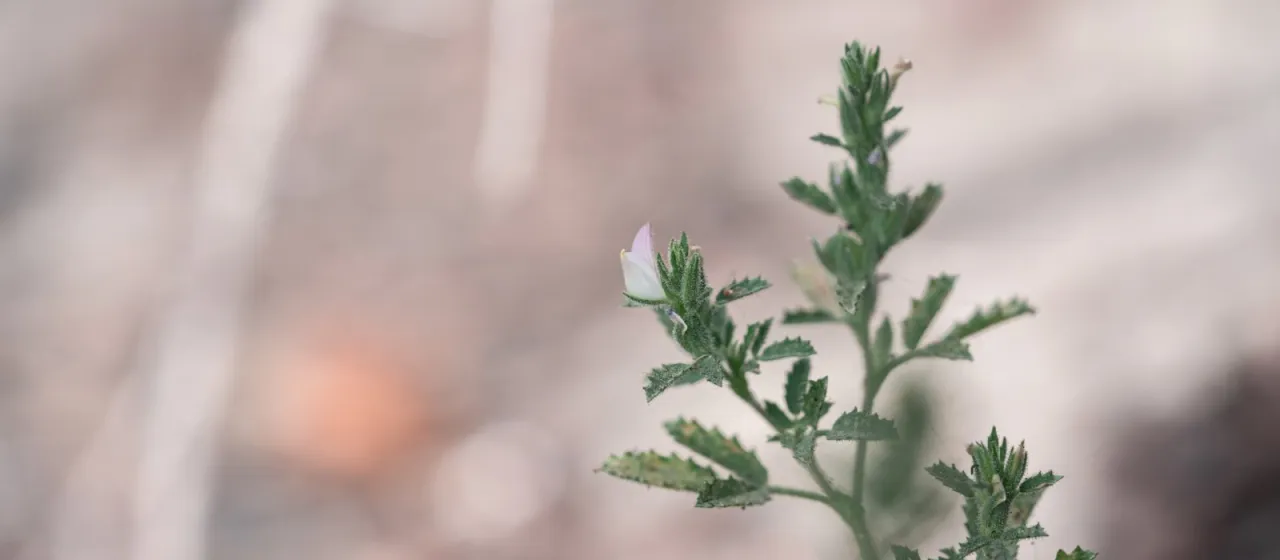
Description
Sawtooth restharrow (lat. Ononis serrata) is a perennial herbaceous plant classified within the Fabaceae family. As a member of the diverse legume genus, this plant is notable for its exceptional resilience in nutrient-poor soils and its ability to withstand significant environmental stress, making it an object of interest for specialized agriculture.
The native distribution of this species is primarily focused on the Mediterranean basin, North Africa, and Southern Europe. It thrives in arid environments, particularly in sandy coastal habitats and rocky slopes. Its geographic range indicates a high tolerance for salt spray and low moisture availability, which defines its ecological niche in nature and potential for agricultural development.
Botanically, Ononis serrata is distinguished by its serrated leaf margins, which serve as its primary taxonomic identification feature. The plants typically grow as branched, pubescent stems, supporting a complex root architecture that anchors the plant firmly in shifting or loose substrates. The flowers are zygomorphic, typical of the legume family, and play a crucial role in supporting local pollinator populations.
Agricultural requirements for sawtooth restharrow are centered on soil structure and light. The crop demands well-drained, porous soils; it is highly intolerant of waterlogging, which often leads to root rot. Successful cultivation requires choosing sites with full sun exposure and minimal competition from aggressive weeds, especially during the establishment phase of the plant cycle.
The plant has several key applications:
- Pharmaceutical production, as its roots contain bioactive compounds with diuretic properties.
- Soil stabilization, where it is used to prevent erosion in sandy or degraded areas.
- Pollinator support, acting as a valuable nectar source in Mediterranean-type ecosystems.
Regarding phytosanitary management, the main threats include fungal pathogens such as Fusarium or Rhizoctonia, which thrive if the soil remains wet for prolonged periods. Insect pests, including various species of aphids and beetles, can cause localized damage to foliage. Integrated Pest Management (IPM) strategies, focusing on site selection and moisture control, are the most effective ways to maintain the health of these crops.