Description
Ononis speciosa is a perennial herbaceous plant belonging to the Fabaceae (legume) family. As a typical member of the genus Ononis, this species is characterized by its adaptability to Mediterranean environments and its ability to contribute to soil nitrogen levels through symbiotic relationships with rhizobia bacteria.
The plant originates from the Mediterranean basin, where it thrives in warm, temperate climates. Its natural distribution is largely defined by the availability of well-drained, sunny habitats, which are crucial for the plant's metabolic activity and overall development during the active growing season.
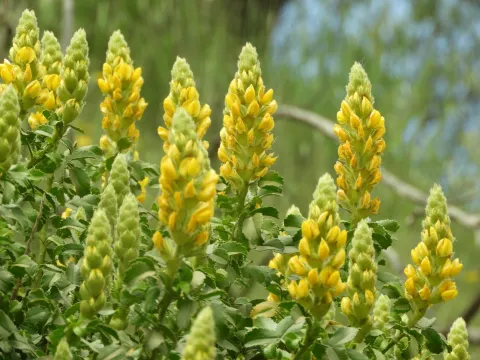
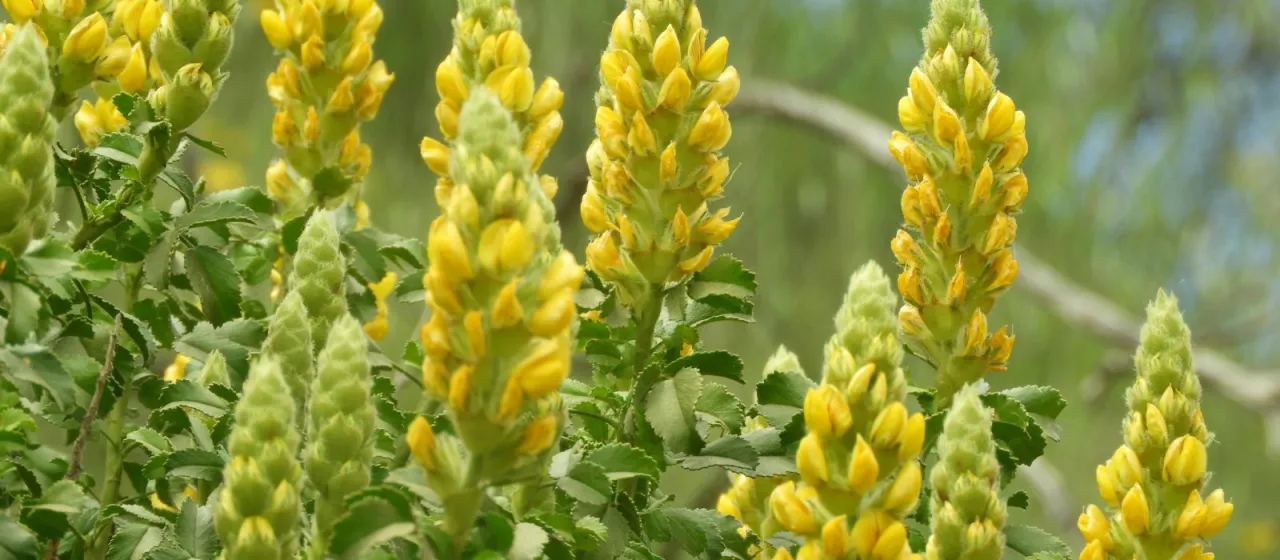
Botanically, Ononis speciosa is distinguished by its branched stems and complex, often glandular-pubescent leaves. The flowers are notable for their vivid color and structural complexity, typical of many legumes. A deep and resilient root system enables the plant to survive in environments where moisture availability can be erratic or limited during certain parts of the year.
In terms of agronomy, this crop requires soils with excellent drainage and a neutral to slightly alkaline pH. High soil moisture content is the primary enemy of the plant, as it frequently leads to root rot pathogens. The cultivation process should focus on solar exposure, as limited light significantly reduces biomass production and flowering intensity.
Regarding its utility, Ononis speciosa is often studied for its potential as a component in sustainable land management systems or as a source for specialized pharmacological compounds. Agronomic management involves monitoring for common legume pests and ensuring optimal soil aeration. Potential issues include:
- Root rot (Phytophthora and Pythium species) in waterlogged soils.
- Aphid infestations affecting vegetative growth.
- Fungal leaf spots during humid spring months.
Photo gallery