
Description
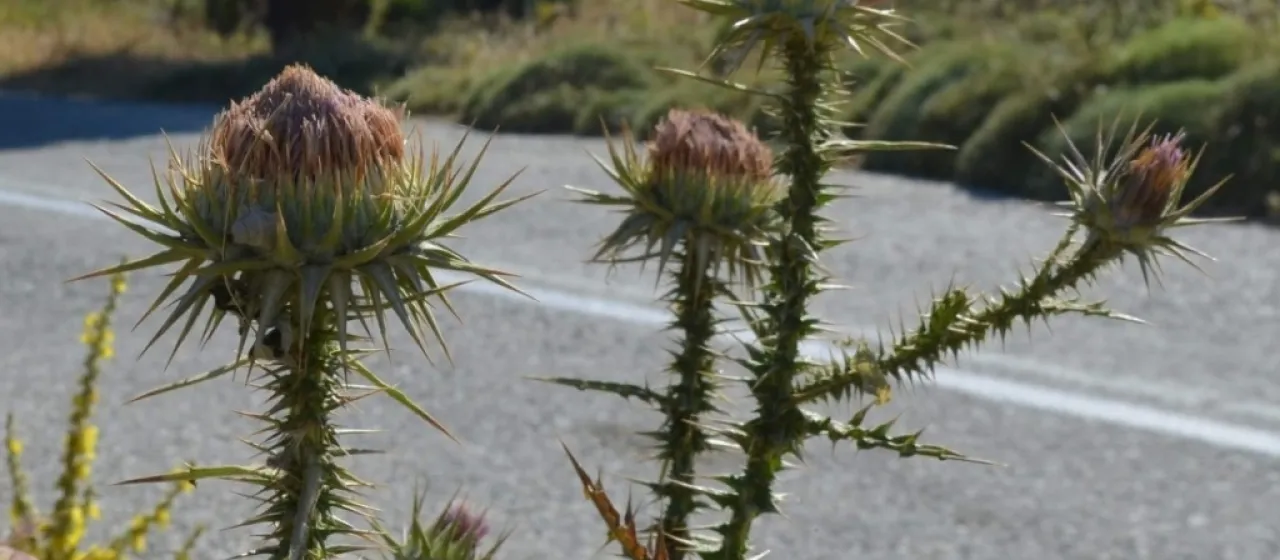
Onopordum caulescens is a biennial herbaceous plant belonging to the Asteraceae family. This species is recognized for its robust growth habit and potential utility in various agricultural applications, ranging from pharmaceutical raw material production to serving as a resilient crop in arid environmental conditions. It is characterized by its distinct, winged stems and architectural presence in the field.
The plant originates from the Mediterranean basin and surrounding regions of Southern Europe, where it has evolved to thrive in dry, rocky, and sun-exposed habitats. The species is well-adapted to Mediterranean climates, showing high resilience to water scarcity. Its cultivation area focuses on regions that experience warm summers and moderate rainfall, where the plant can establish deep root systems.
Botanically, Onopordum caulescens features large, pinnately lobed leaves covered with a fine, cobweb-like pubescence, which helps in reducing transpiration. The plant produces showy, purple flower heads that are highly attractive to pollinators, particularly bees. The stems are sturdy and typically reach heights of over one meter, providing significant structural biomass during the second year of growth.
Agronomic requirements for this crop include well-drained, porous soils with a neutral or alkaline pH. It is highly drought-tolerant, making it a suitable candidate for marginal lands where more demanding crops might fail. Cultivation involves preparing a fine seedbed and ensuring adequate spacing to prevent inter-row competition. Periodic weeding in the early stages of development is necessary to secure a uniform stand.
- Soil Type: Well-drained loams or calcareous soils.
- Sowing: Early spring to ensure germination before the summer heat.
- Maintenance: Minimal fertilization; regular field monitoring for pests.
- Harvesting: Mechanical harvesting of biomass at peak budding stage.
Economic utility of Onopordum caulescens covers multiple sectors. It is increasingly studied for its chemical profile, which includes compounds of interest to the pharmaceutical and cosmetics industries. Furthermore, the species is regarded as an excellent nectar source, significantly contributing to local honey production. In some traditional systems, specific parts of the plant are utilized for their dietary fiber content or as forage components.
Common phytosanitary issues include powdery mildew and rust fungi, which are often exacerbated by poor air circulation in dense plantings. Pests such as aphids and specialized weevils can cause damage to the apical meristem or floral parts. Integrated pest management strategies, focusing on biological control and maintaining optimal planting density, are recommended to sustain crop health and minimize the reliance on chemical inputs.