
Description
Artichoke thistle (Onopordum cynarocephalum) is a biennial herbaceous plant belonging to the Asteraceae family. In agricultural and botanical contexts, it is recognized for its robust growth, significant biomass production, and potential applications as a specialty crop in warm-temperate regions.
The species is native to the Mediterranean region and parts of the Middle East. It is well-adapted to habitats with dry summers and mild winters. In modern agriculture, it is cultivated in areas that mimic its natural environmental preferences, characterized by high levels of solar radiation and well-drained, nutrient-rich soil conditions.
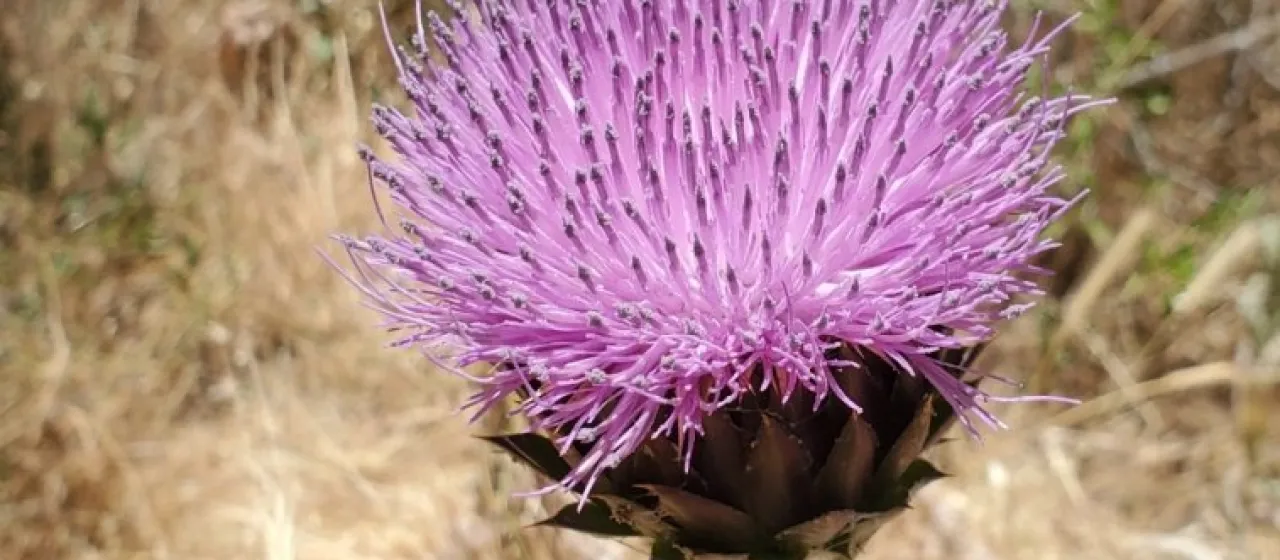
Botanically, the plant is distinguished by a strong, tall stem and large, deeply lobed, spiny leaves covered with white woolly hairs. Its flower heads are large and globose, reminiscent of the cultivated globe artichoke. The life cycle involves the development of a dense basal rosette in the first year, followed by rapid vertical growth and anthesis in the second year of cultivation.
Agronomic management of Onopordum cynarocephalum requires careful site selection. The soil should be well-aerated to prevent root rot. Proper spacing is essential to ensure adequate airflow around the plants, which reduces the incidence of fungal diseases. Irrigation should be applied strategically during the early establishment phase to promote deep root development before the onset of summer drought.
The primary utility of the crop includes:
- High-value nectar production for honeybees.
- Extraction of fatty oils from the seeds.
- Use in ornamental landscaping and dried flower arrangements.
- Potential research as a source of renewable fiber or biomass.
Common pests include aphids and various beetle species that target the succulent tissues of the leaves and flower buds. Fungal diseases, particularly leaf spots and mildews, are prevalent in humid conditions or crowded plantings. Farmers can mitigate these risks through integrated pest management strategies, focusing on optimal planting density and crop rotation cycles.