Description
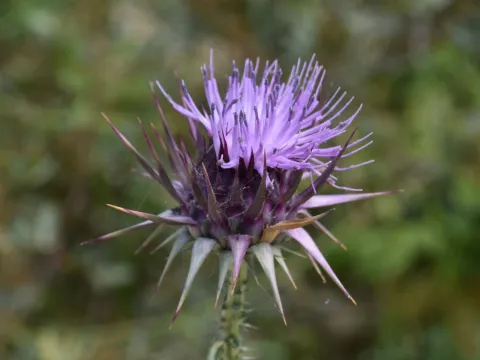
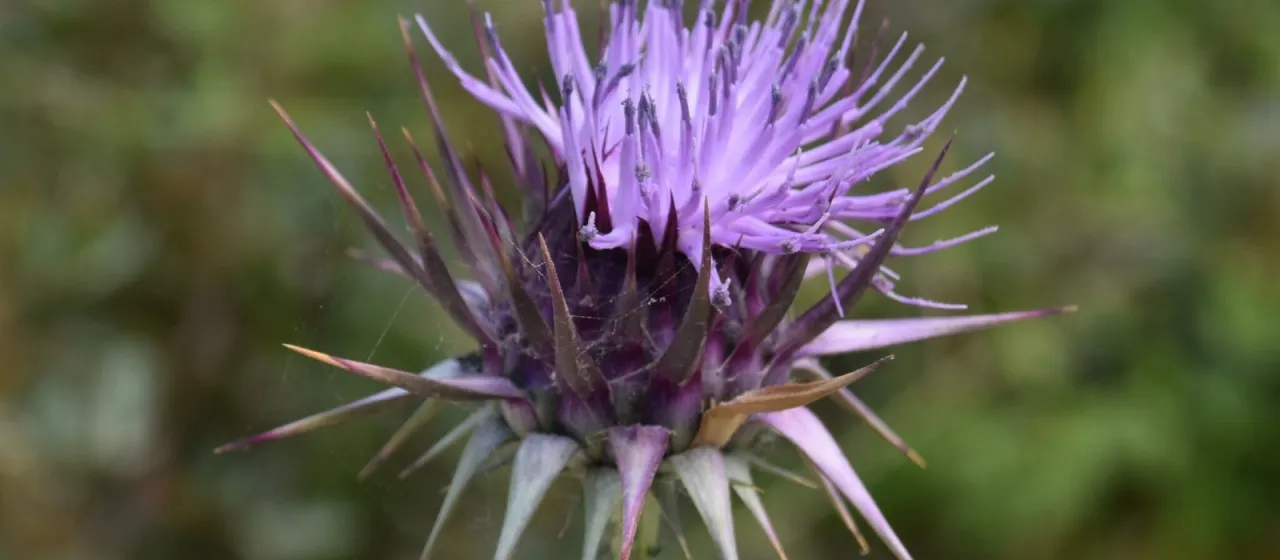
Cyprian cotton thistle (Onopordum cyprium) is a biennial herbaceous plant belonging to the Asteraceae family. This species is native to the island of Cyprus and is characterized by its robust structure and its adaptation to the arid Mediterranean climate, serving as an important component of local ecosystems.
The geographic distribution of this species is largely endemic to Cyprus. It typically thrives in open, sunny environments such as rocky hillsides, abandoned agricultural lands, and roadsides. Being a xerophytic plant, it is highly resilient to prolonged periods of heat and limited water availability, making it a hardy species for specialized cultivation.
Botanically, the plant develops a dense rosette of spiny, silver-green leaves in its first year, followed by a tall, branched flowering stem in the second year. The flower heads are large and feature purple-to-pink florets. Its structure is designed to minimize transpiration, which is a key survival strategy in its native environment.
Cultivation requirements for Onopordum cyprium include well-drained, calcareous soils that prevent root rot. It is essential to choose a location with full sun exposure. In terms of agronomy, the plant is relatively low-maintenance; however, weed control during the seedling stage is vital to ensure that the plant establishes a strong taproot system without competition.
The agricultural and economic utility of the Cyprian cotton thistle is diverse:
- Apiary value as a significant source of nectar during summer.
- Potential for land reclamation and soil erosion control.
- Utilization of dried flower heads in artisanal crafts and dried floral arrangements.
- Traditional use of extracts in local ethnomedicine.
Common pests and diseases include aphids, which often cluster on the flower buds, and various fungal pathogens that may appear if the drainage is inadequate. Management involves maintaining proper spacing between plants to improve airflow and monitoring for early signs of infestation, ensuring the plant remains healthy for pollinators.
Photo gallery