
Description
Oocystis lacustris is a species of green microalgae belonging to the family Oocystaceae. While not a conventional terrestrial crop, it plays a vital role in aquatic agriculture, serving as a primary producer and a fundamental component of the food web in commercial fish ponds and freshwater reservoirs.
The organism has a cosmopolitan distribution, thriving in freshwater environments across temperate and tropical regions. It is frequently observed in open water columns, adapting to various light intensities and nutrient concentrations found in lakes and managed aquaculture systems worldwide.
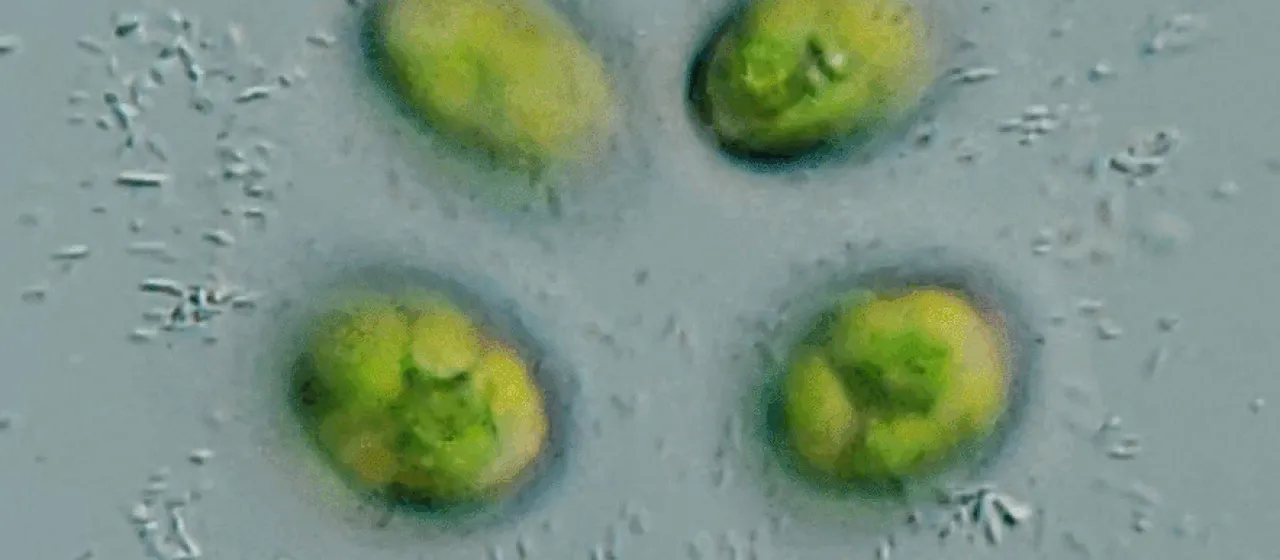
Botanically, Oocystis lacustris is characterized by its elliptical or lemon-shaped cells, often found in clusters protected by a gelatinous colonial envelope. The cell wall is robust, and the internal structure consists of parietal chloroplasts that facilitate highly efficient photosynthesis, which is essential for its rapid biomass production.
Growth requirements are primarily dictated by water temperature and nutrient availability, specifically nitrate and phosphate levels. In aquaculture management, controlling these parameters is equivalent to agronomic fertilization, aimed at maintaining an optimal balance of phytoplankton to support secondary production, such as zooplankton and larval fish development.
- Supports initial food chain stages in aquaculture.
- Requires adequate sunlight for photosynthesis.
- Sensitive to pH fluctuations in water bodies.
- Can cause bloom events if nutrient levels are imbalanced.
Economic importance is centered on its utility as a high-quality natural food source for aquatic organisms. However, management is necessary to prevent excessive blooms that could lead to oxygen depletion. While there are no traditional "pests," pathogenic aquatic fungi and viruses can infect algal populations, potentially collapsing the natural food supply in intensive farming systems.