
Description
Ophiorrhiza japonica is a perennial herbaceous plant belonging to the Rubiaceae family. This species is known for its distinct botanical structure, which typically includes creeping rhizomes and delicate stems, making it well-adapted to the understory of dense forests.
The plant originates from East Asia, including regions like Japan, China, and Taiwan. It thrives in humid, subtropical climates where it can benefit from partial shade and consistent moisture. In agricultural practice, it is cultivated primarily in controlled environments designed to replicate its native forest floor habitat.
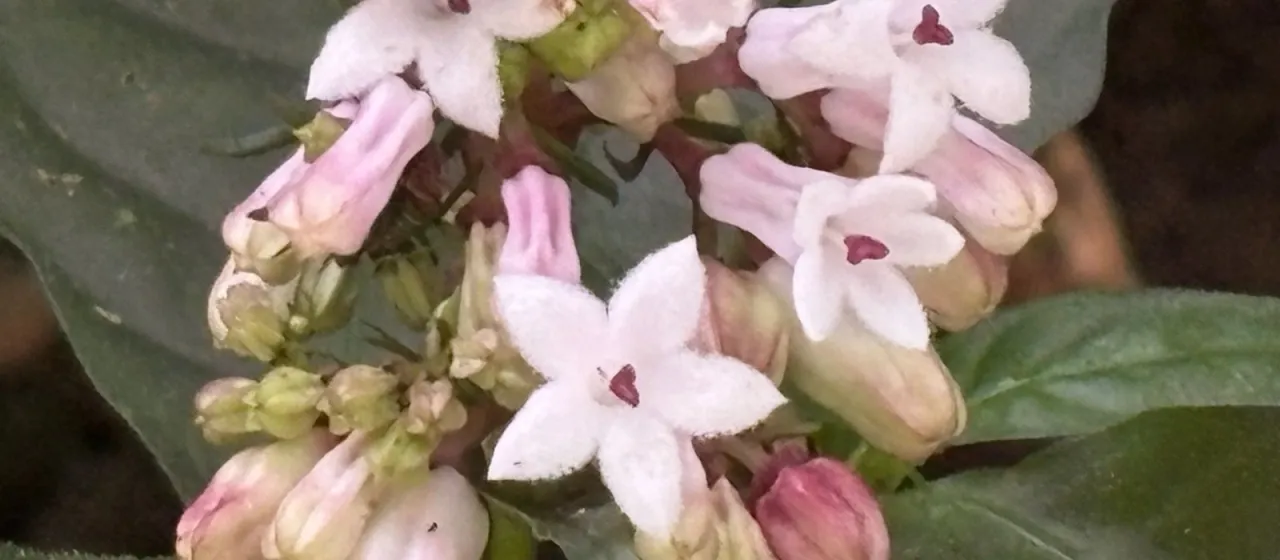
Botanically, Ophiorrhiza japonica is characterized by opposite, elongated leaves and small, white or pale-colored tubular flowers. The root system is the most critical part of the plant, containing valuable secondary metabolites that have attracted significant interest from the scientific and pharmaceutical communities.
Cultivation requires loose, well-drained soil rich in organic matter. Maintaining stable soil moisture is crucial, as the plant is sensitive to drought. Proper ventilation and partial shading are essential to mimic natural conditions and prevent heat stress during the warmer growing months.
The primary agricultural and economic focus for this crop is pharmaceutical production. The plant is a known natural source of camptothecin, an alkaloid with potent anti-tumor properties. It is highly valued as a botanical source for the pharmaceutical industry to synthesize and research novel cancer treatments.
Common agricultural challenges and pests include:
- Root rot pathogens triggered by poor drainage.
- Infestations of spider mites in low-humidity environments.
- Fungal leaf spots during periods of stagnant airflow.