
Description
Opilia amentacea is a woody plant, specifically a large shrub or small tree, belonging to the Opiliaceae family. This species is characterized by its hemiparasitic lifestyle, where it attaches its roots to the root systems of other woody plants to acquire essential nutrients, which is a fundamental aspect of its biology.
The natural range of this species encompasses tropical regions across Africa, Asia, and Australia. It typically thrives in humid forested areas, savannas, and gallery forests, demonstrating a high level of adaptability to diverse tropical climates. In its natural habitat, it is commonly found in the understory, where it integrates into the surrounding vegetation.
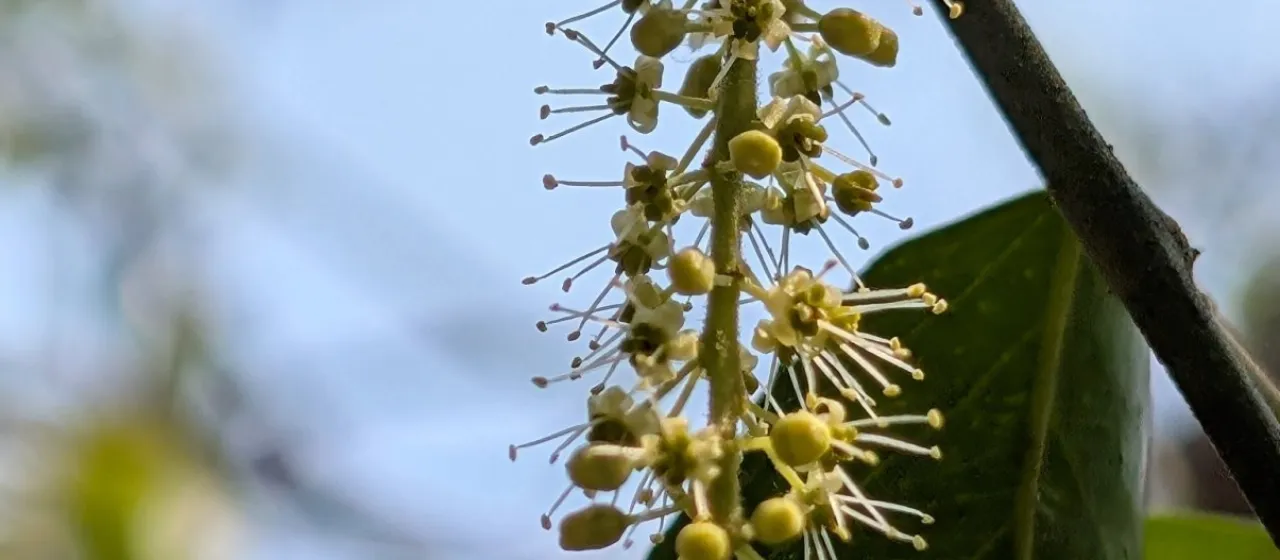
Botanically, the plant is identified by its leathery leaves and small flowers arranged in spike-like inflorescences resembling catkins, which inspired its scientific name. The fruits are yellow or orange drupes containing a single large seed. The patterns of flowering and fruiting are largely determined by the rainfall patterns within the specific region.
Agricultural techniques for this plant in controlled environments are limited, as it is primarily harvested from the wild rather than cultivated on a commercial scale. The species requires well-drained soils and shading from intense direct sunlight during its early growth stages. A major challenge in cultivation is the necessity of an appropriate host plant to ensure a healthy and functional root system.
The economic importance of the plant is centered on its food and medicinal properties. In local cuisines, the fruits are consumed for their pleasant flavor. Furthermore, the plant is frequently used in traditional medicine for treating skin inflammations and fevers. Common pests include various tropical phytophagous insects, while fungal infections represent the primary disease risk in high-humidity environments.