
Description
Wavyleaf basketgrass (Oplismenus undulatifolius) is a perennial herbaceous grass species belonging to the Poaceae family. While it is often considered an invasive weed in some naturalized ranges, in ornamental horticulture, it is cultivated as a popular foliage plant valued for its graceful, trailing habit and lush appearance.
The native distribution of this species spans across the tropical and subtropical regions of Asia, Africa, and parts of Southern Europe. It naturally thrives in shaded, moist forest environments, which dictates its preference for sheltered growing conditions when integrated into managed landscapes or domestic indoor plant collections.
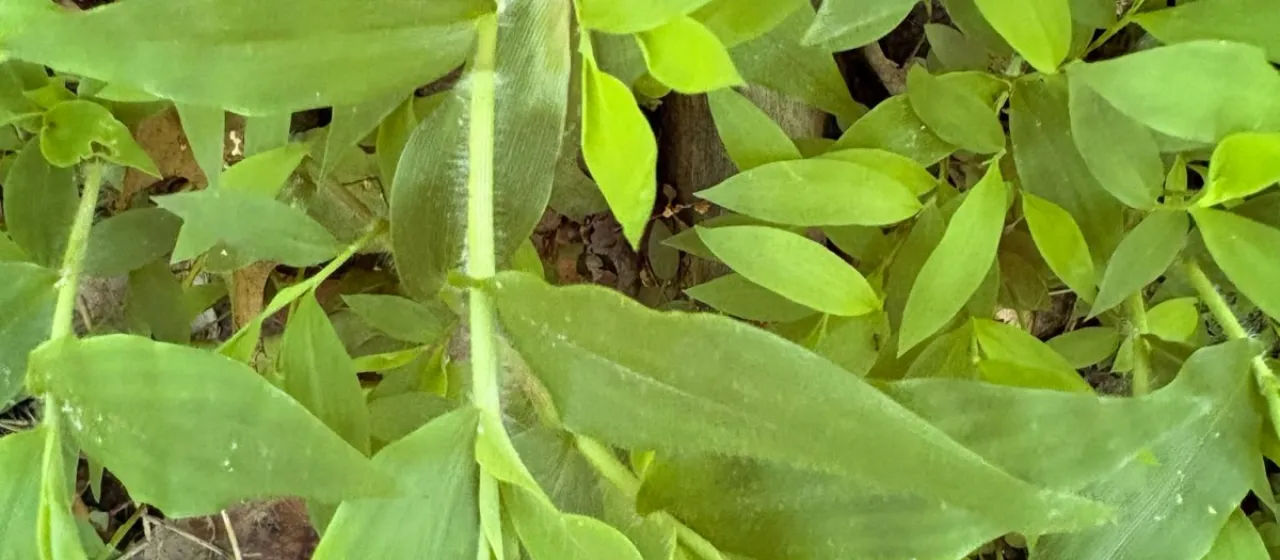
Botanically, the plant is characterized by slender, creeping stems that node-root upon contact with moist soil, allowing it to spread efficiently. The leaves are typically lanceolate with a distinct wavy margin, often exhibiting variegated patterns in commercial cultivars. Its rapid growth rate makes it a highly effective ground cover in appropriate climate zones.
Agricultural and horticultural requirements focus on mimicking its native habitat. It thrives best in indirect light or partial shade, as intense direct sunlight can scorch the foliage. The soil medium should be rich in organic matter, consistently moist, and well-draining to prevent root rot, which is a common physiological issue in this species.
The primary use for Oplismenus undulatifolius is within the ornamental sector, serving as an excellent choice for hanging baskets, terrariums, and as a ground cover in shady garden spots. Regarding plant protection, typical pests include spider mites and mealybugs, which are effectively managed through humidity control and regular inspection of the foliage.
- Requires high humidity levels
- Sensitive to direct sunlight
- Needs fertile, well-draining substrate
- Easily propagated by stem cuttings
- Susceptible to spider mites in dry air