
Description
Oreochloa seslerioides is a perennial grass species belonging to the Poaceae family. Known for its ability to form dense, resilient tufts, this plant is perfectly adapted to the harsh conditions of high-altitude mountain environments. As an alpine species, it occupies specific ecological niches where it plays a critical role in stabilizing fragile mountain soils and contributing to the biodiversity of alpine meadows.
The native range of this plant is restricted to the mountainous regions of Europe, specifically the Alps and Pyrenees. It thrives in alpine and subalpine belts, typically on limestone soils or rocky outcrops. While not a commercial crop for field cultivation, its importance in agricultural contexts lies in its contribution to natural forage for livestock grazing in mountain areas, where few other plant species can survive.
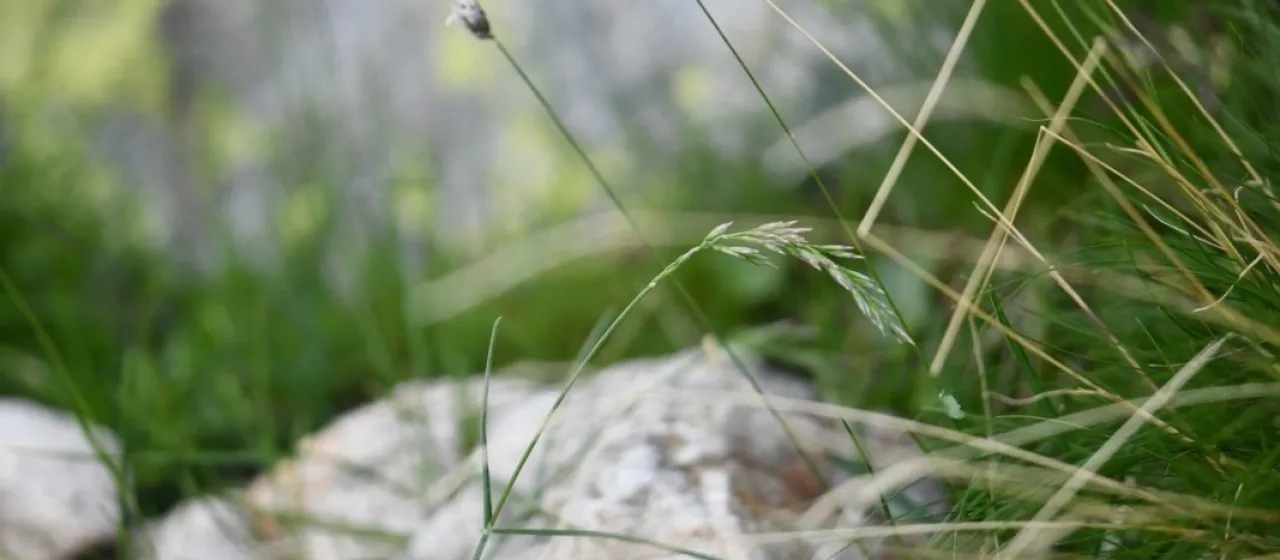
Botanically, Oreochloa seslerioides features narrow, stiff leaf blades arranged in a basal rosette, providing high resistance to wind and cold temperatures. The root system is fibrous and dense, allowing the plant to anchor itself firmly into thin, rocky soils. The inflorescence is a dense, spike-like panicle, which protects the florets from harsh environmental factors during the short growing season.
Regarding climatic and soil requirements, the species is cold-hardy and thrives in well-drained, alkaline, or neutral soils. It is highly sensitive to waterlogging and does not compete well with vigorous species in nutrient-rich lowland soils. Agricultural management in these areas involves minimal intervention, primarily focusing on preserving the integrity of the soil crust and preventing overgrazing, as the species has a very slow recovery rate.
The primary utility of the plant is in soil stabilization and landscape protection. Its dense root structure helps prevent soil erosion on steep, unstable slopes. Typical pests and diseases include various types of fungal rusts that occur when spring temperatures remain mild and humid, although the plant's robust nature generally allows it to survive most minor infections without significant loss of vigor.
- Excellent soil erosion control for mountain slopes
- Extreme tolerance to low temperatures and wind
- Minimal fertilization requirements due to native alpine adaptation
- Low growth rate, emphasizing its role in permanent ecosystems