Description
Oreoweisia bruntonii is a perennial moss species belonging to the Dicranaceae family. While it is not an agricultural crop, it holds significant interest for botanists and environmental researchers due to its specialized ecological niche. As a bryophyte, it functions as a primary colonizer on rocky surfaces, contributing to the initial stages of soil formation in specific alpine environments.
The geographic origin and distribution of this species are primarily centered in mountainous regions of Europe and North America. It thrives in temperate, humid climates, showing a marked preference for acidic geological substrates such as sandstone or granite. The plant is typically found in shaded, cool locations where high moisture levels can be sustained throughout the growing season.
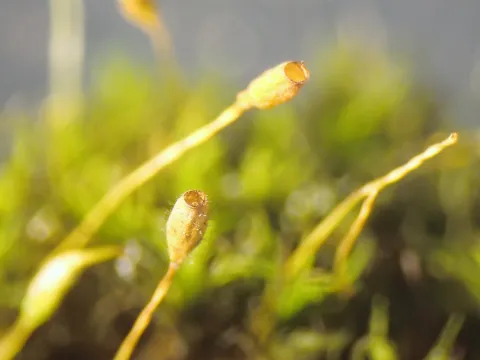
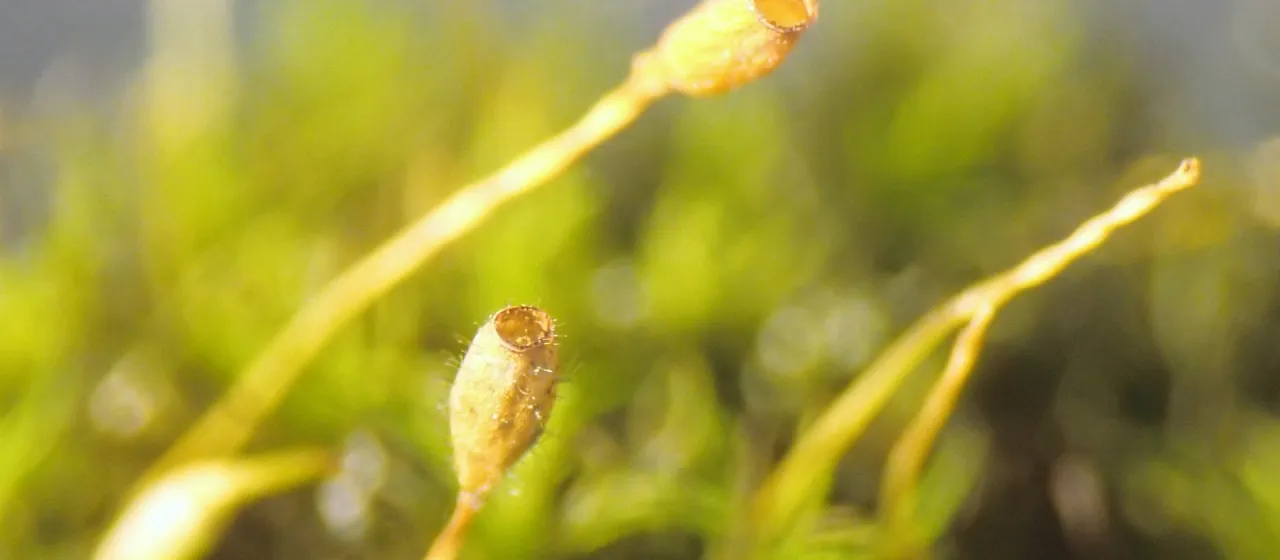
Botanically, Oreoweisia bruntonii is characterized by its compact, cushion-like growth form, which helps to minimize water loss. Its leaves are lanceolate, exhibiting sensitivity to hydration levels; they roll when dry to protect the plant tissues and unfurl when moist to maximize photosynthetic area. The sporophyte, consisting of a capsule atop a slender seta, facilitates reproduction through wind-dispersed spores.
Regarding its environmental requirements, this species demands constant ambient humidity and clean air, as it is highly sensitive to atmospheric pollutants. It does not require traditional soil cultivation or nutrient inputs. Management in conservation contexts involves protecting its rocky habitats from physical disturbance and maintaining the natural microclimate necessary for its survival.
The economic and research utility of this moss is focused on its role as a bioindicator. Because it is highly sensitive to environmental degradation, its presence or absence can signal shifts in local air quality or climatic stability. Key challenges to its population health include:
- Atmospheric pollution.
- Increased temperatures due to climate change.
- Physical erosion of substrate rocks.
- Competition from opportunistic plant species.
Photo gallery