Description
Turkish oregano (Origanum onites) is a perennial herbaceous plant belonging to the Lamiaceae family. Within the agricultural sector, it is highly regarded as a key essential oil crop, often harvested for both culinary spice production and the extraction of high-quality oregano oil, which is rich in carvacrol.
The plant originates from the Eastern Mediterranean region, with its natural range extending across Turkey, Greece, and various Aegean islands. It is primarily cultivated in Turkey, which remains the leading global producer. The crop thrives in climates characterized by hot, dry summers and mild, rainy winters, making it perfectly suited for Mediterranean-type environments.
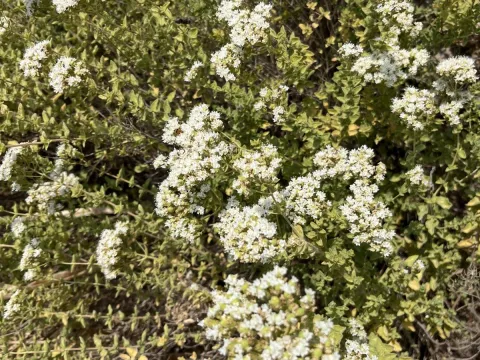
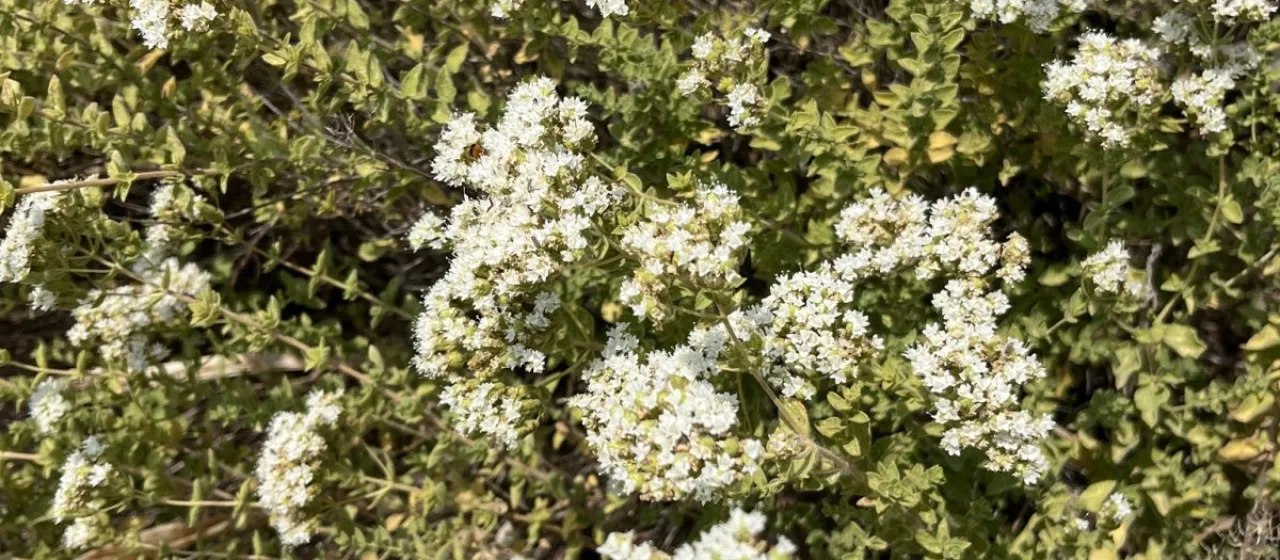
Botanically, Origanum onites grows as a small shrub reaching up to 60 cm in height. Its stems are branched and woody at the base, supporting small, ovate, and often pubescent leaves. The plant produces dense clusters of white or pale pink flowers during the summer, which are highly attractive to pollinators and contribute to the plant's overall hardiness.
Agronomic requirements emphasize the need for well-drained, calcareous, or loamy soils. It is a drought-tolerant species that requires full sun exposure to maximize the production of essential oils. Proper field management involves minimal irrigation, as excessive moisture often leads to root rot, the most common pathological issue encountered in industrial plantations.
The economic value of Turkish oregano lies in its versatile industrial applications. It is processed to extract volatile oils for medicinal and cosmetic purposes, while the dried biomass serves as a staple global spice. Farmers must remain vigilant against common pests such as aphids and spider mites, and implement integrated pest management to ensure high yields and optimal quality of the final product.
Photo gallery