Description
Ornithopus perpusillus, commonly known as bird's-foot, is an annual herbaceous plant belonging to the Fabaceae family. As a member of the legume family, it plays a vital role in sustainable agriculture due to its capacity for nitrogen fixation, which significantly improves soil fertility in low-nutrient environments such as sandy or acidic soils.
The plant is native to Europe and North Africa, where it thrives in temperate climates. It is frequently found in heathlands, grasslands, and sandy fields. Because of its ecological preferences, it is a specialized crop often utilized in regions where high-yield legumes are unable to thrive due to poor soil structure or acidity.
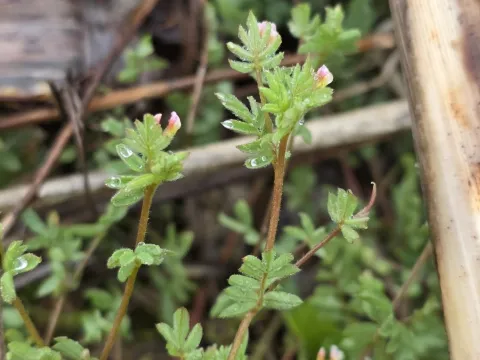
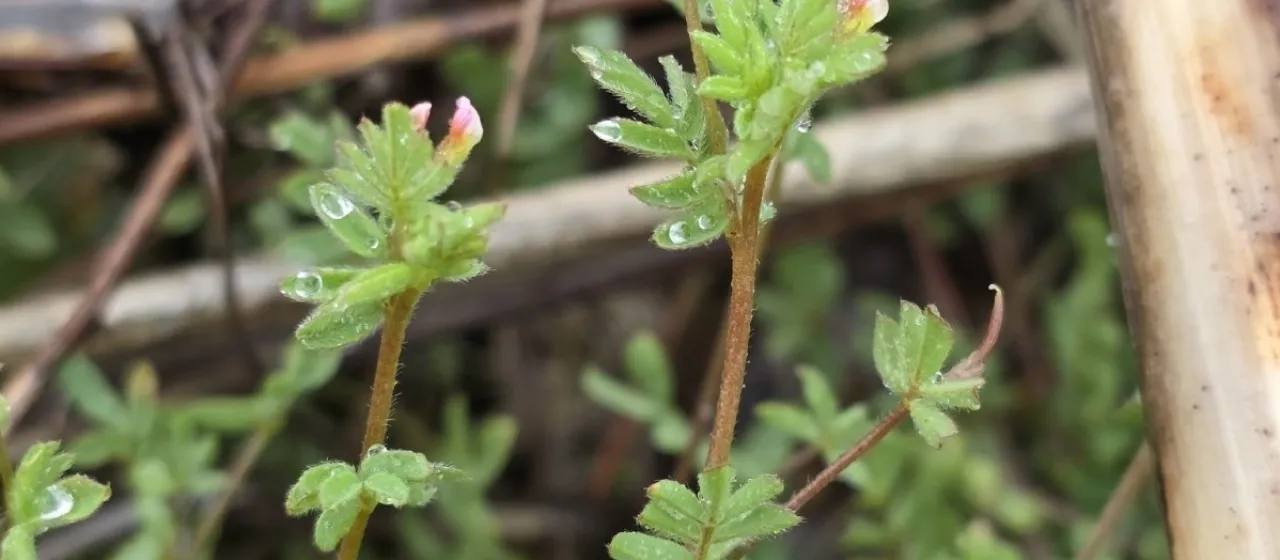
Botanically, the plant is characterized by its prostrate or ascending stems, which usually reach a height of 5 to 30 cm. It features small pinnate leaves and distinctive tiny white-to-pale-pink flowers with dark veins. The fruit is a curved, jointed legume pod that segments into single-seeded pieces upon maturity, a mechanism that aids in the natural propagation of the species.
Agricultural management of Ornithopus perpusillus requires selecting well-drained, loose soil. Sowing should ideally occur in early spring to allow the plants to establish themselves before the onset of summer heat. While the plant is drought-tolerant, it requires sufficient moisture during the germination phase to ensure a robust stand and effective nodulation for nitrogen fixation.
The agricultural utility of bird's-foot is broad:
- High-quality forage for livestock, offering good protein content.
- Green manure application to increase organic matter in light, sandy soils.
- Soil stabilization, helping to reduce wind and water erosion.
- Biodiversity enhancement in field margins and pasture buffer zones.
Regarding pest and disease management, bird's-foot is relatively hardy. However, it can be susceptible to fungal diseases such as powdery mildew in conditions of poor air circulation or excessive moisture. Integrated pest management, focusing on proper sowing density and crop rotation, remains the most effective strategy to ensure a healthy and productive stand throughout the growing season.
Photo gallery