Description
Orobanche boninsimae is a highly specialized parasitic plant species belonging to the Orobanchaceae family. As a holoparasite, it lacks chlorophyll and cannot perform photosynthesis. Instead, it completes its life cycle by attaching to the roots of a host plant, from which it extracts water, minerals, and carbon compounds necessary for its survival and reproduction.
This species is native to the Bonin Islands (Ogasawara Archipelago, Japan). Its distribution is highly restricted, reflecting the narrow ecological niches often found in island environments. It has evolved to parasitize specific native plant species within this isolated geographic region, making it a significant botanical subject for studies of island evolution.
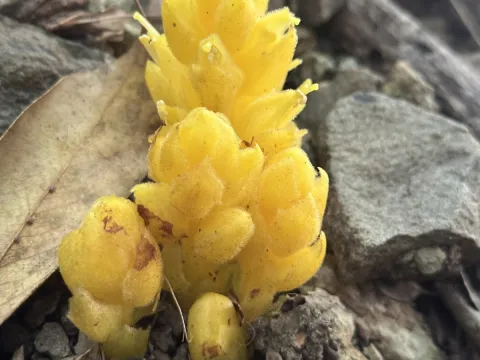
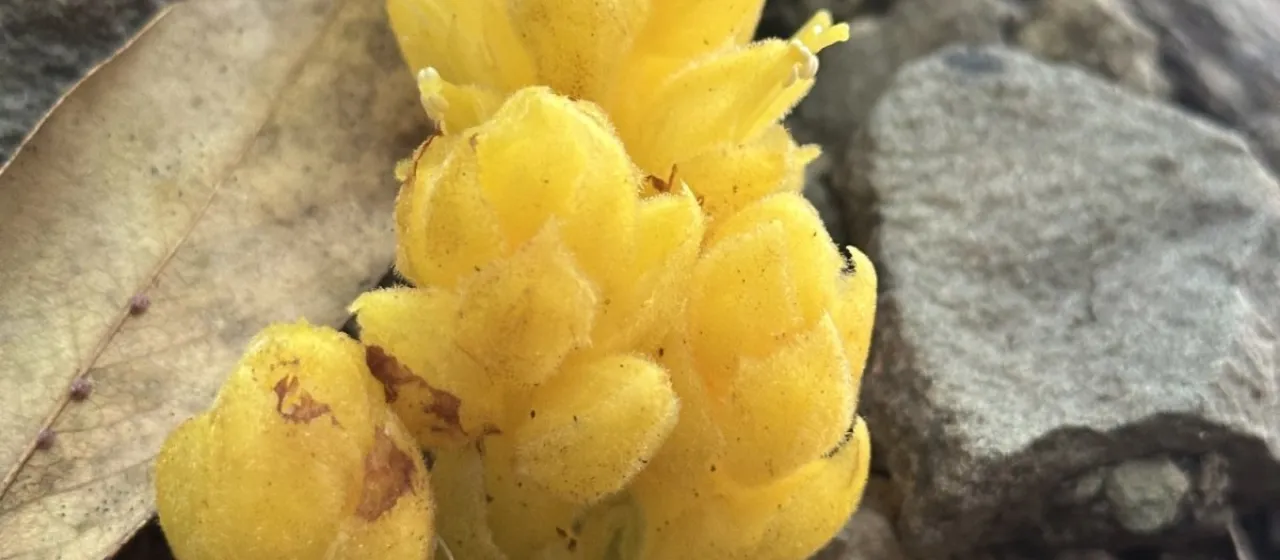
Botanically, Orobanche boninsimae is characterized by its succulent, scale-covered stems and the absence of green leaves. During the reproductive phase, it develops terminal inflorescences with unique floral structures designed for cross-pollination by local insect fauna. The entire plant remains underground until the flowering stem emerges above the soil surface.
There are no established agricultural techniques for this species, as it is not a crop plant. Its growth requirements are strictly dictated by the presence of its host. In natural habitats, the dynamics of the plant population depend on the health and density of the host species within the local ecosystem, rather than external soil or climatic management.
From a socioeconomic perspective, Orobanche boninsimae has no commercial, agricultural, or medicinal utility. Its importance lies entirely in its contribution to biodiversity and its role as a botanical curiosity in protected island habitats. Research into this species is generally focused on taxonomy, ecological conservation, and the interactions between parasitic plants and their island-specific hosts.
Photo gallery