Description
Orobanche pancicii is a specialized parasitic plant species belonging to the Orobanchaceae family. It is a non-photosynthetic organism that acts as an obligate root parasite, extracting water and essential nutrients directly from the vascular system of its host plant. This unique biological adaptation allows it to survive in environments where photosynthetic growth might be constrained.
The species primarily originates from and is distributed across the Balkan Peninsula, with a focus on regions such as Serbia. It thrives in specific ecological niches where its host plants are present. The geographical range is restricted by the availability of these hosts, as the parasite's lifecycle is strictly dependent on successful attachment to the host's root system during the germination phase.
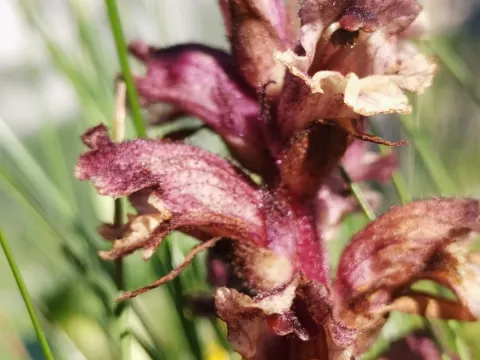
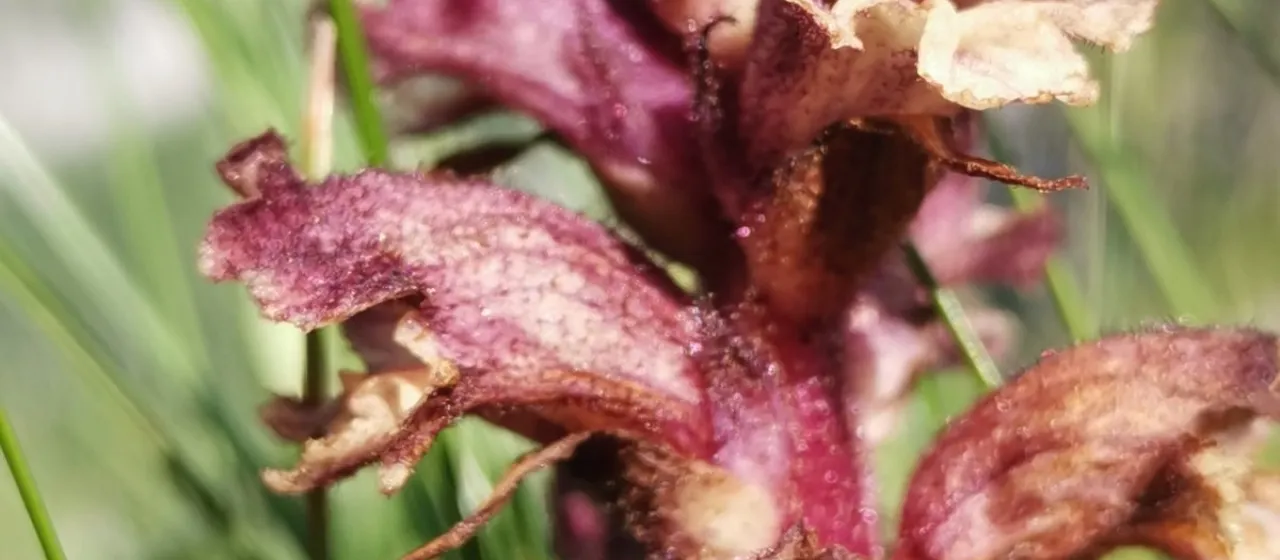
Botanically, Orobanche pancicii is characterized by a fleshy, yellowish to brownish stem covered in scale-like leaves. It lacks chlorophyll entirely, appearing as a flowering spike above the soil surface only during the reproductive stage. The flowers are zygomorphic, typically organized in a spike-like inflorescence, producing a vast quantity of tiny seeds capable of persisting in the soil for several years.
From an agronomic perspective, while not a cultivated crop, Orobanche pancicii is of significant interest to botanists and specialists in plant pathology. Its study helps in understanding the evolution and physiological mechanisms of parasitic plants. Managing these species requires a deep understanding of their underground development and the timing of their emergence, which is essential to prevent infestations in broader agricultural settings.
Management strategies for Orobanche pancicii are generally focused on containment and prevention. Cultural practices, such as deep plowing and the use of trap crops, are effective in reducing the seed bank in the soil. Furthermore, strict quarantine and sanitation measures are applied to ensure that the infestation does not spread to adjacent fields where more economically important crops might be at risk.
Photo gallery