Description
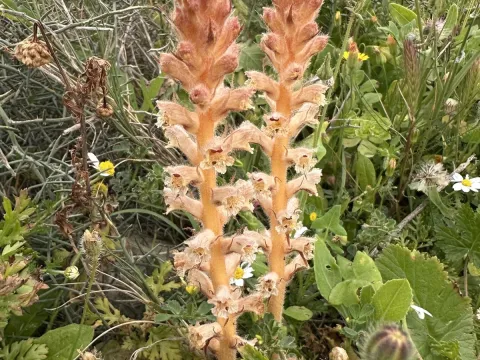
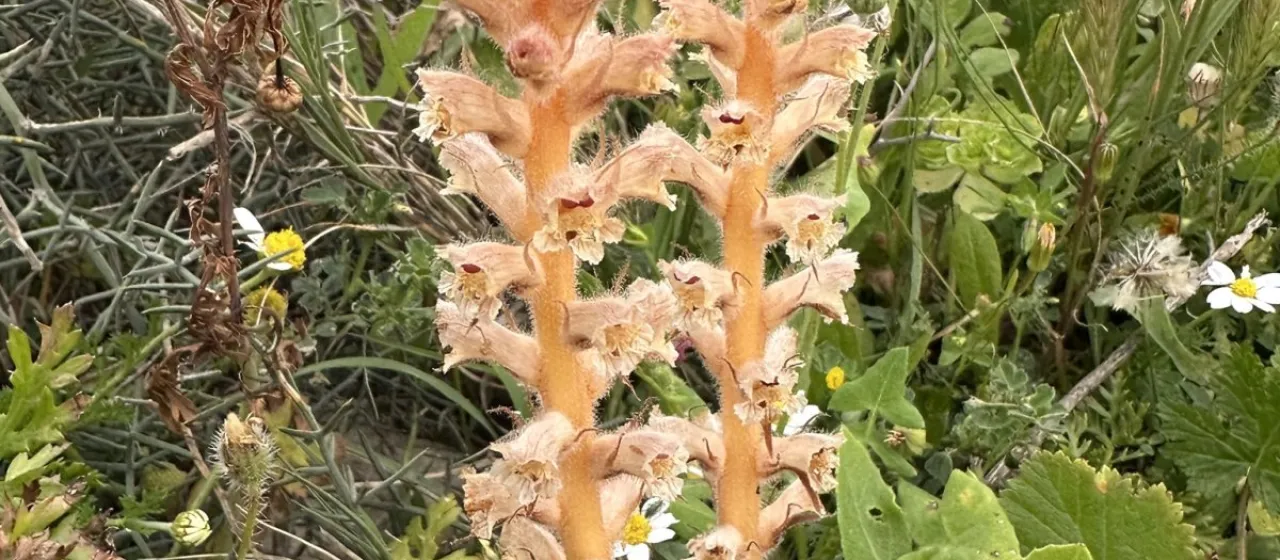
Orobanche pubescens, commonly known as hairy broomrape, is an obligate parasitic flowering plant belonging to the Orobanchaceae family. It lacks chlorophyll and cannot perform photosynthesis, which forces it to derive all necessary nutrients, water, and minerals directly from the roots of its host plants using specialized organs called haustoria.
The native distribution area of Orobanche pubescens primarily covers the Mediterranean region, the Middle East, and parts of Southeastern Europe. It thrives in arid and semi-arid environments where host plants from families such as Asteraceae, Fabaceae, and Solanaceae are cultivated or grow naturally. Its presence in agricultural fields can lead to significant yield losses if left unmanaged.
Botanically, the plant is characterized by a fleshy stem ranging from 15 to 45 centimeters in height. The surface of the stem is covered with glandular hairs, providing a distinctive pubescent appearance, which serves as a diagnostic feature of the species. The inflorescence is a dense spike featuring numerous flowers that typically range in color from yellowish-white to purplish-brown.
The ecological requirements of this parasite are strictly tied to the presence of compatible hosts. The seeds remain dormant in the soil until they detect chemical signals (strigolactones) released by the roots of a potential host plant. Once germinated, the parasite connects to the host's vascular system. Because it is a root parasite, it thrives in well-drained, warm soils that are favorable for both the host and the parasite's development.
In terms of agricultural impact, Orobanche pubescens is considered a harmful weed rather than a crop. It causes stunted growth, reduced biomass, and lower yields in infected fields. Management strategies focus on preventing the buildup of the seed bank in the soil. This involves long-term crop rotation, the use of trap crops that stimulate germination without allowing attachment, and rigorous weed control programs to prevent the formation and dispersal of seeds.
Photo gallery