Description
Orobanche pycnostachya is a species of parasitic plant belonging to the Orobanchaceae family. Unlike standard crops, this plant is an obligate holoparasite, meaning it lacks chlorophyll and cannot perform photosynthesis. It survives entirely by extracting water, minerals, and carbohydrates from the root systems of host plants through specialized structures known as haustoria.
The geographic distribution of this species primarily includes arid and semi-arid regions, such as parts of Central Asia, the Caucasus, and the Middle East. It is typically found in environments where its preferred hosts—often specific herbaceous plants—are present, allowing the parasite to establish its underground connections during the germination phase triggered by host root exudates.
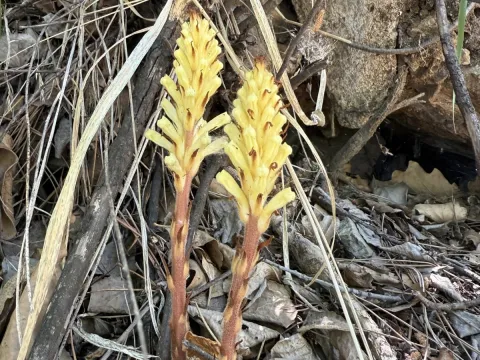
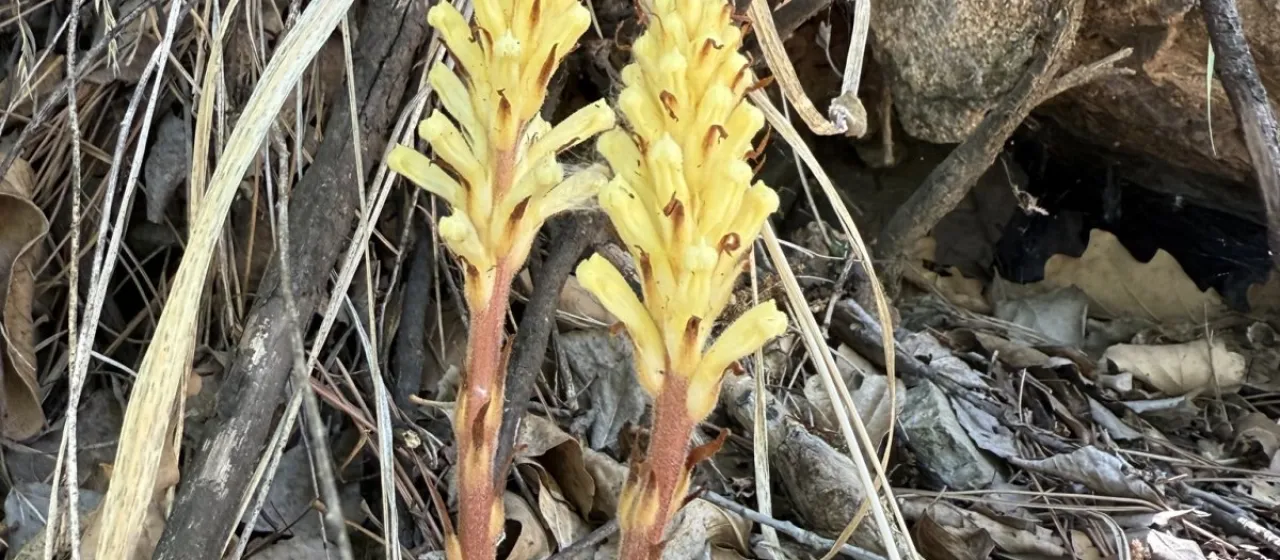
Botanically, the plant is characterized by a fleshy, yellowish or purplish stem lacking functional green leaves. It terminates in a dense, spike-like inflorescence, which gives the species its scientific name. A single individual can produce thousands of minute, dust-like seeds that remain viable in the soil for several years, forming a persistent seed bank that poses a challenge to crop rotation.
Ecologically, the plant demands warm, well-aerated soils that favor the germination of its seeds upon chemical detection of host roots. Agronomic management is complex because the majority of the parasite's life cycle is completed underground, making chemical or mechanical interventions difficult once the attachment to the host plant has successfully occurred.
In agricultural systems, Orobanche pycnostachya is categorized as a harmful weed due to its parasitic impact on crop yields. Infested fields often experience significant biomass reduction and crop failure.
- Implementation of long-term crop rotation cycles.
- Use of resistant crop cultivars.
- Application of selective herbicide programs.
- Strict sanitation protocols to prevent seed dispersal via machinery.
Photo gallery