Description
Thistle broomrape (Orobanche reticulata) is a holoparasitic herbaceous plant belonging to the Orobanchaceae family. Unlike conventional crops, it lacks chlorophyll and cannot synthesize its own nutrients through photosynthesis. It survives by attaching its specialized root-like structures, known as haustoria, to the root systems of host plants, effectively acting as a parasite that saps energy from the host.
The native range of this species extends across various parts of Europe and Western Asia. It is commonly found in grasslands, meadows, and agricultural settings where host plants, particularly those in the Fabaceae family, are cultivated. The plant is well-adapted to environments where soil chemistry supports the germination process triggered by the root exudates of its host.
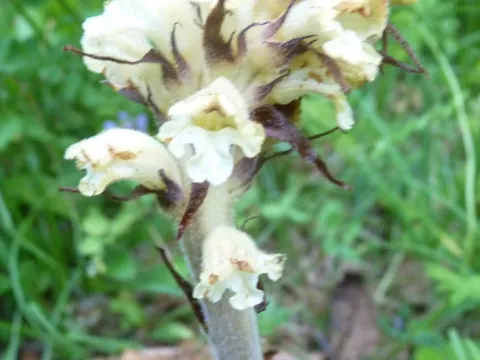
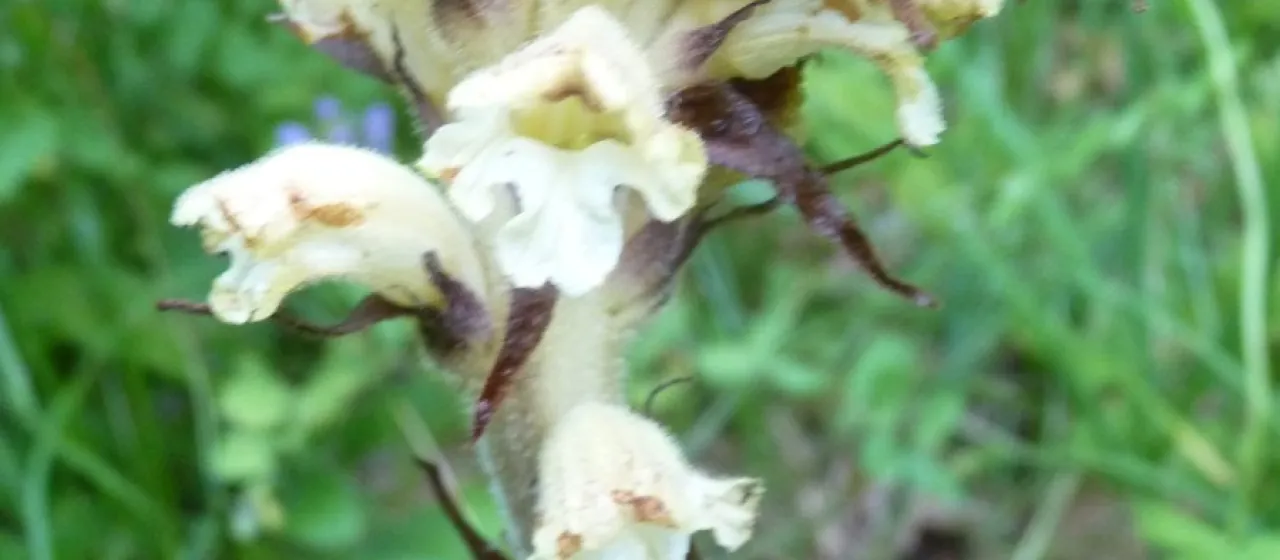
Botanically, the plant is characterized by an unbranched, fleshy stem covered with scale-like leaves. It produces dense inflorescences of tubular flowers that are often pale yellow to reddish-brown in color. A single plant can produce a massive amount of minute seeds, which are highly resilient and capable of remaining dormant in the soil for several years, waiting for the specific chemical cues from a host's root system to germinate.
Agricultural management of Orobanche reticulata is challenging due to its underground lifecycle. Effective agrotechnical practices focus on prevention, including long-term crop rotation with non-host species, soil solarization, and the use of trap crops that trigger seed germination without providing the necessary nutrients for the parasite to reach maturity. Chemical control is limited and requires precise timing during the host's development.
From an agricultural standpoint, the plant is considered a significant weed that compromises crop productivity. It directly impacts the health of crops by extracting water and essential minerals, leading to stunting, reduced yields, and increased susceptibility to other biotic stresses. Farmers must remain vigilant, as the infestation can quickly spread through seeds carried by water, wind, or contaminated agricultural machinery.
Photo gallery