Description
Schultz's broomrape (Orobanche schultzii) is a highly specialized parasitic plant belonging to the family Orobanchaceae. Unlike conventional crops, this species is considered a detrimental weed in agricultural systems. It lacks chlorophyll and is entirely dependent on host plants for its supply of water, minerals, and carbohydrates, which it extracts via specialized root-like structures known as haustoria.
The plant is native to arid and semi-arid environments, particularly throughout Central Asia and parts of the Middle East. It thrives in soils that are warm and well-drained, mirroring the environmental preferences of its typical hosts. Due to its life cycle, it poses a significant threat to agricultural productivity in regions where it becomes established, as it competes directly for nutrients with the crop.
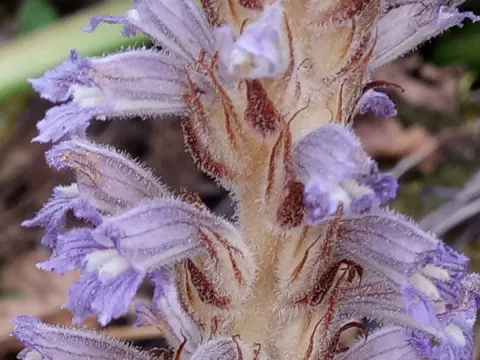
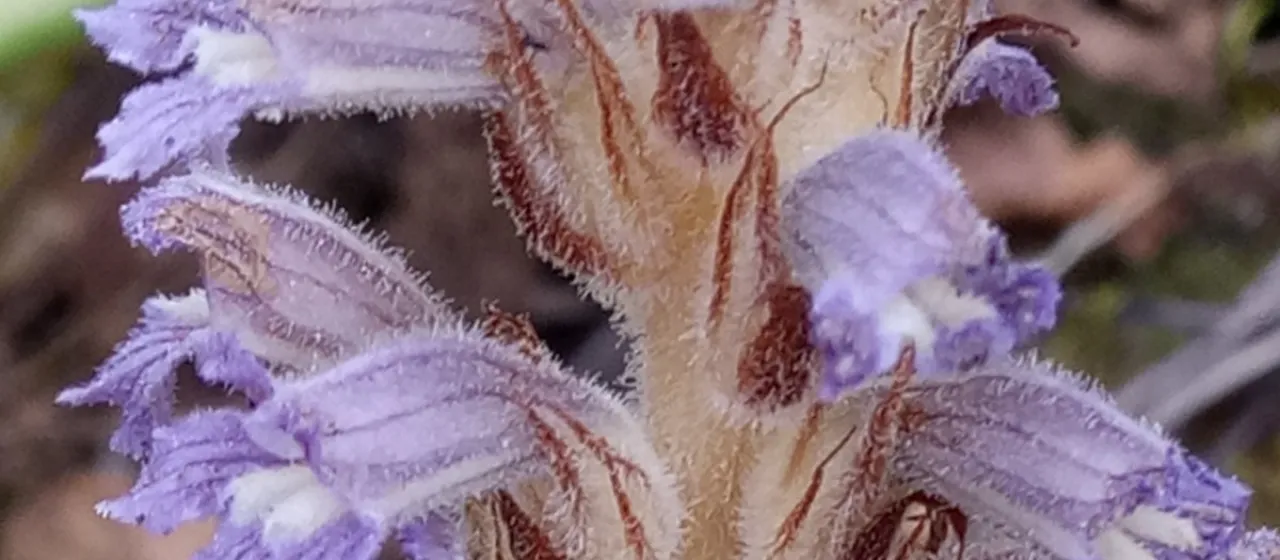
Botanically, Orobanche schultzii is characterized by a stout, non-green flowering stem covered with scale-like leaves. The inflorescence is a dense spike of flowers, which are typically shades of brownish-yellow or purple. The plant produces an enormous quantity of microscopic seeds, which can remain dormant in the soil for many years until triggered by chemical signals released from the roots of potential host plants.
Management of this parasite is challenging because its impact is mostly subterranean until the flowering stage, by which time the host crop has already suffered substantial damage. Effective control programs must be integrated and long-term to deplete the soil seed bank. Agronomists emphasize that once an infestation is detected, immediate quarantine measures are necessary to prevent the further spread of the parasite.
The economic impact of Schultz's broomrape is strictly negative, leading to reduced yield and poor crop quality. To manage its presence, farmers rely on several key tactics:
- Deployment of crop varieties resistant or tolerant to broomrape species.
- Implementation of extended crop rotations with non-host crops.
- The use of trap crops that trigger germination without supporting the parasite.
- Sanitation practices for farm machinery to avoid seed dispersal.
Photo gallery