Description
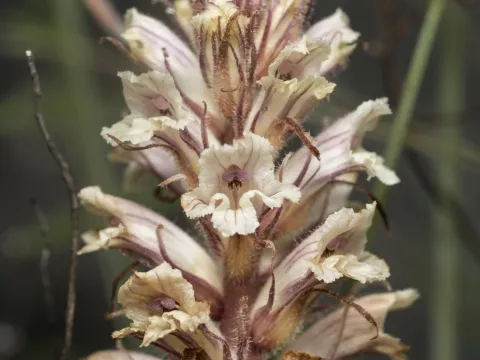
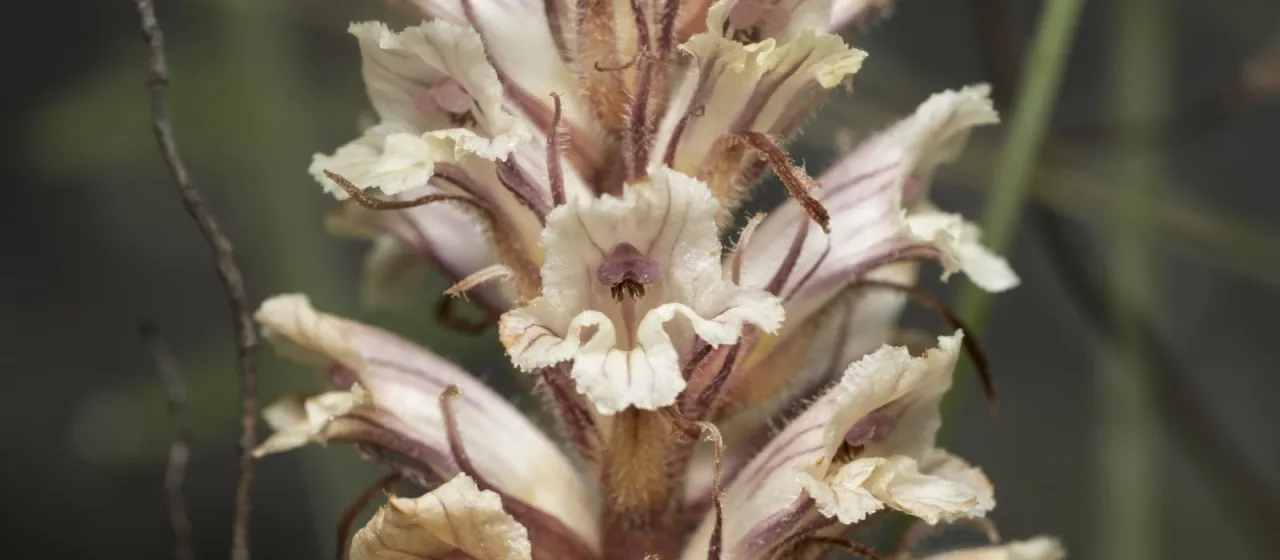
Serbian broomrape (Orobanche serbica) is a specialized parasitic plant belonging to the family Orobanchaceae. Unlike conventional agricultural crops, this plant lacks chlorophyll and cannot perform photosynthesis. Consequently, it acts as an obligate parasite, anchoring itself to the root systems of host plants to extract essential water and nutrients required for its survival and reproduction.
The native range of this species is primarily located in the Balkan region, specifically in areas of Serbia and neighboring territories. It typically inhabits dry, open landscapes with sufficient light, which supports its developmental cycle. In an agricultural context, it is considered a non-crop species that functions as a serious pest, invading fields and reducing the viability of surrounding crops.
The botanical structure of the plant is characterized by a fleshy stem that emerges from the soil only when the plant is ready to flower. The stem is covered in scale-like leaves and terminates in a dense inflorescence of small, often colorful flowers. Beneath the soil, it forms a complex parasitic interface known as a haustorium, which physically penetrates the host's vascular tissue to achieve a successful connection for nutrient transport.
Agricultural management of Serbian broomrape requires a strategic approach focusing on prevention and integrated pest management (IPM). Key practices involve crop rotation with non-host species to deplete the seed bank in the soil and the implementation of clean cultivation techniques. Furthermore, the use of certified seed lots is essential to prevent the spread of broomrape seeds into uncontaminated agricultural fields.
The host impact of this parasite is profound and requires professional monitoring.
- Significant reduction in overall crop yield due to resource depletion.
- Loss of crop quality and increased susceptibility to other biotic stresses.
- Persistence of seeds in the soil profile, creating long-term management challenges for producers.
Photo gallery