Description
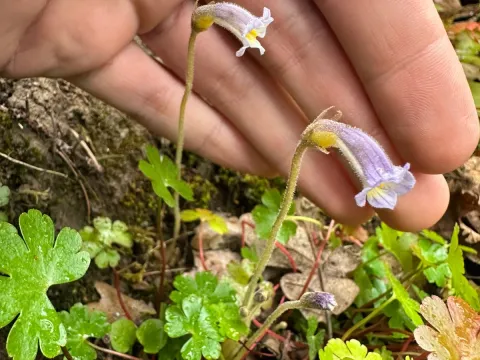
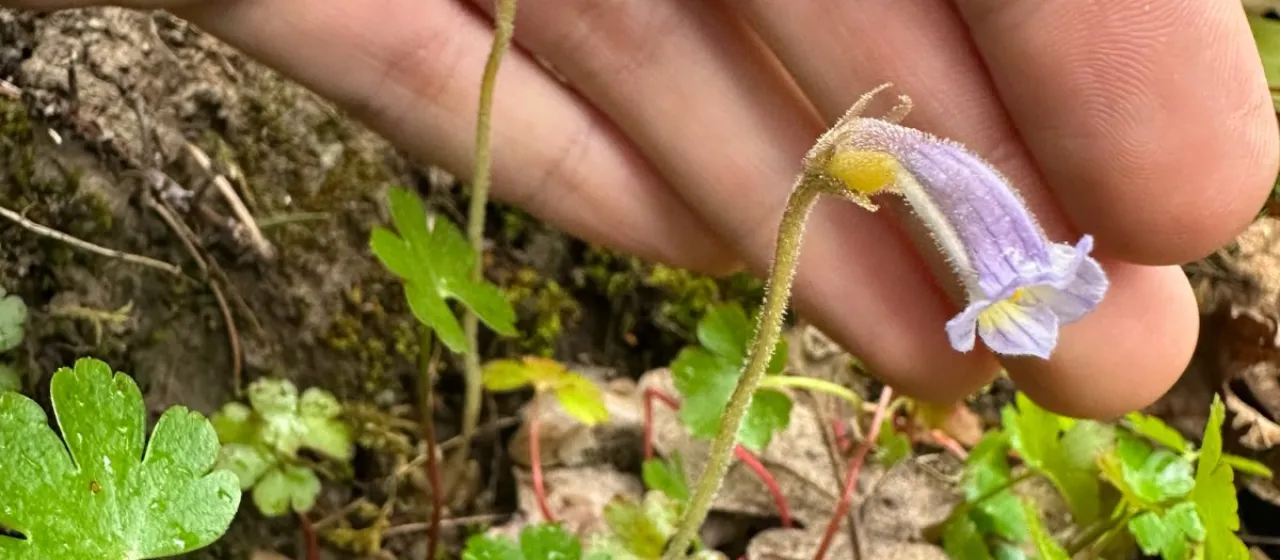
One-flowered broomrape (Orobanche uniflora) is an obligate parasitic herb belonging to the Orobanchaceae family. Lacking chlorophyll, this plant is entirely dependent on its host plant for carbohydrates, minerals, and water, which it extracts through specialized root structures known as haustoria.
Native to North America, the species thrives in diverse habitats ranging from forested areas to moist meadows. While it is a fascinating subject for botanical study due to its specialized life cycle, it is recognized in agricultural settings as a potential pest that can affect the health of various ornamental and wild plants, though it is less common as a major crop parasite compared to other species of Orobanche.
Botanically, Orobanche uniflora is distinguished by its small size and its characteristic single-flowered scape. The stem is typically yellowish-brown to purplish, and the lack of foliage is compensated by reduced scale-like leaves. The plant emerges from the ground only during the flowering stage, making early detection extremely difficult for field agronomists.
Management and control measures focus on the life cycle of the parasite. Since the seeds require chemical signals from the host's roots to germinate, control strategies often involve crop rotation with non-host species to deplete the seed bank in the soil. Chemical control is challenging because the parasite is biologically integrated with the host, meaning that indiscriminate herbicide use can harm the target crop as well.
From an agricultural standpoint, the plant has no positive economic use. The primary strategy for dealing with this parasite includes rigorous sanitation and the avoidance of contaminated planting materials. By understanding the host specificity and timing of emergence, growers can effectively manage their fields and reduce the impact of this parasitic weed on their operations.
Photo gallery