Description
Orthodicranum montanum is a widespread species of moss belonging to the Dicranaceae family. Unlike cultivated crops, this moss is an integral part of forest ecosystems, acting as a natural colonizer of wood substrates and contributing to the overall biodiversity of the forest floor and tree trunks.
The geographic range of this species encompasses the temperate zones of the Northern Hemisphere, including Europe, Asia, and North America. It is typically found in moist environments, thriving in coniferous and mixed forests where it colonizes deadwood, stumps, and the base of tree trunks. It is highly adaptable to various moisture levels typical of forest microclimates.
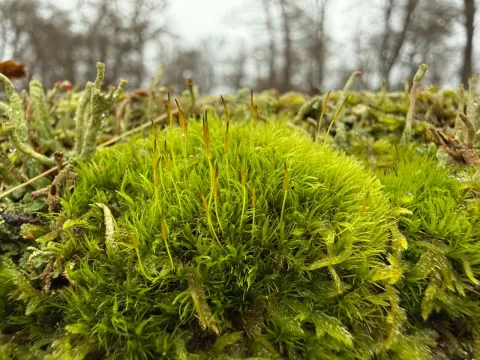
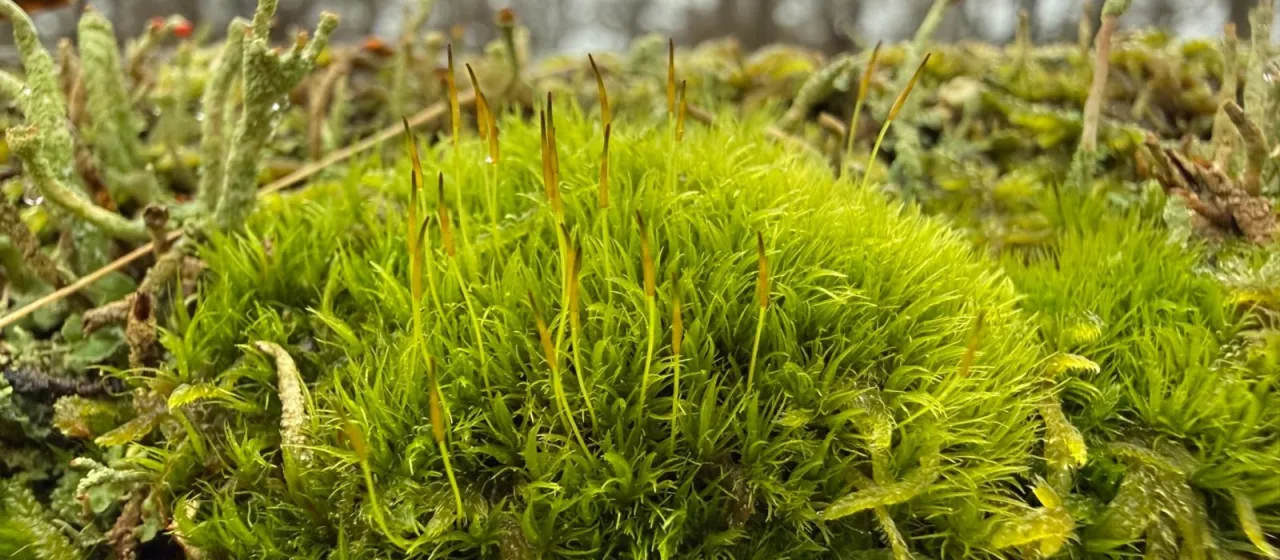
Botanically, this species is recognized by its dense, yellowish-green cushions. The stems are upright, and the leaves are lanceolate, exhibiting a characteristic curling or twisting pattern when dry. This structural adaptation helps the moss survive fluctuations in environmental humidity, allowing it to remain dormant until moisture levels improve.
In terms of ecological requirements, Orthodicranum montanum favors shaded areas with high atmospheric humidity. It is sensitive to air pollution and habitat fragmentation. It does not require agricultural cultivation techniques; rather, it thrives in protected environments where the forest canopy maintains a stable, cool, and humid microclimate.
The economic and ecological utility of this species lies in its role in nutrient cycling and moisture retention within forest ecosystems. It contributes significantly to the breakdown of decaying wood and the development of humus. There are no known specific pests or diseases that threaten this moss, as it is a natural component of wild flora rather than a commercially farmed crop.
Photo gallery