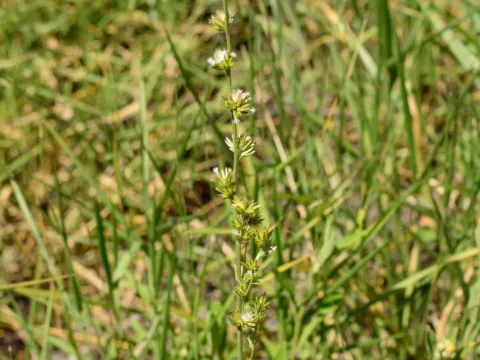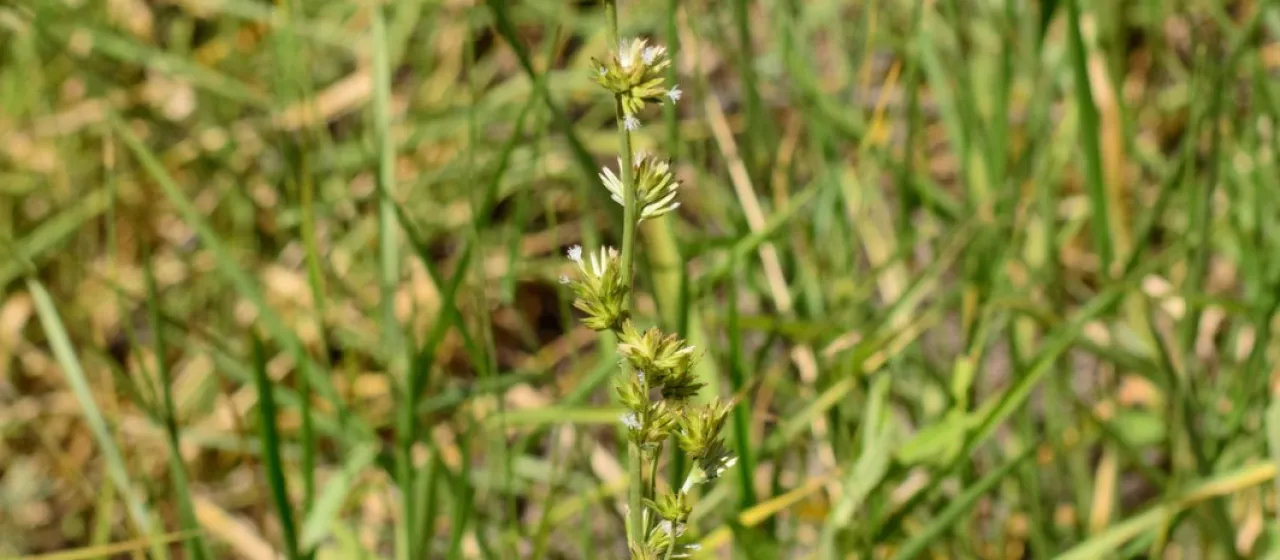
Description
Orthopappus angustifolius is a perennial herbaceous plant belonging to the Asteraceae family. While not a mainstream industrial crop, it is a significant species in the context of tropical and subtropical botanical studies, primarily utilized as a forage component in its native ecosystems.
The native range of this species is centered in South and Central America. The plant thrives in diverse environmental conditions within these regions, showing remarkable adaptation to the fluctuations in tropical rainfall and temperature patterns typical of its natural habitats.
Botanically, it is defined by its narrow, lance-shaped leaves forming a basal rosette and its distinct daisy-like flower heads. The root system is relatively deep and robust, which allows the plant to sustain growth during dry spells, making it a resilient component of the local flora.
Regarding cultivation requirements, Orthopappus angustifolius prefers well-drained, nutrient-moderate soils. It does not tolerate waterlogging, which often leads to root health issues. Proper field management focuses on maintaining a balanced soil structure and ensuring adequate solar exposure, which is critical for biomass production.
- Requires well-drained soil conditions
- Sensitive to excessive moisture
- Requires open, sunlit areas for optimal development
In terms of agricultural utility, it serves as forage for livestock. Managing the crop requires vigilance against common fungal pathogens that affect the foliage during humid seasons. Pests typically include specialized insects that target the Asteraceae family, necessitating integrated pest management strategies to maintain plant vigor.
Photo gallery