Description
Orthothecium rufescens is a perennial pleurocarpous moss species belonging to the family Pterigynandraceae. While not categorized as an agricultural crop, it is a significant species in the study of bryology and mountain ecology. It is widely recognized for its preference for specialized habitats in high-altitude environments across the Northern Hemisphere.
The distribution of this species is largely restricted to arctic and alpine regions, including parts of Europe, Asia, and North America. It is typically found in crevices of calcareous rocks, cliffs, and stony slopes. These habitats provide the specific microclimate necessary for the moss to thrive, characterized by high humidity and cool temperatures.
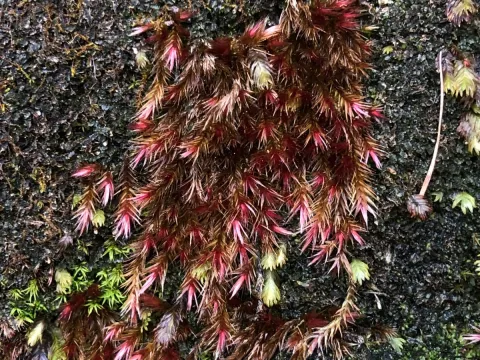
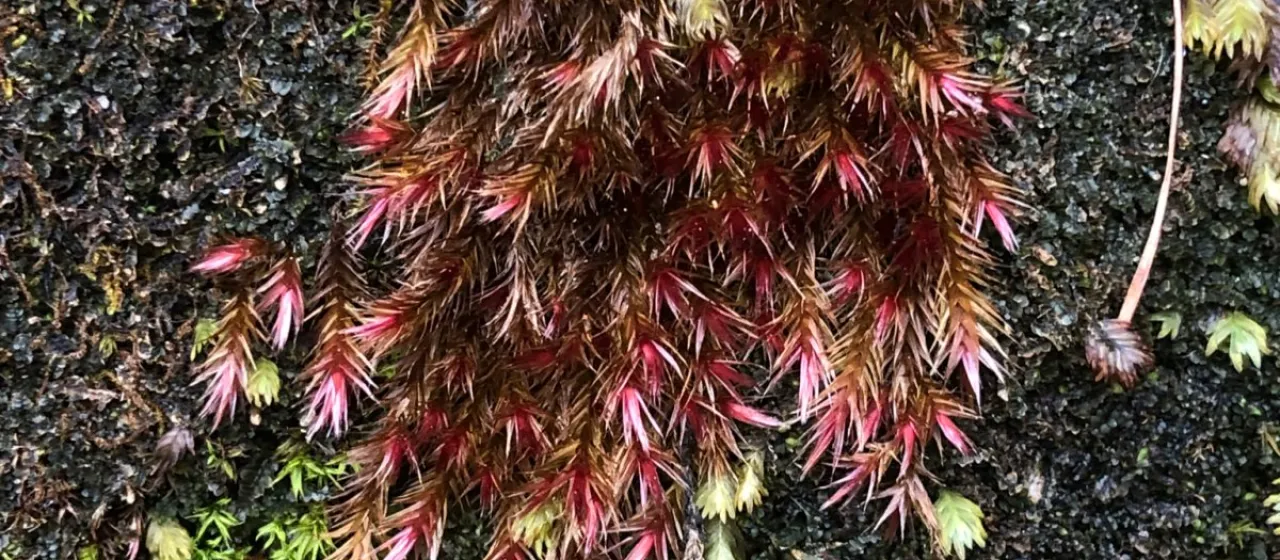
Botanically, Orthothecium rufescens forms dense, compact turfs that range in color from reddish-brown to brownish-green, which is a diagnostic feature for identification in the field. The stems are densely foliated with lanceolate, appressed leaves, providing a protective mechanism against the harsh, desiccating winds common in high-mountain altitudes.
Regarding ecological requirements, this species is known as a calciphile, requiring soils or rock surfaces rich in calcium carbonate. It does not possess the broad adaptability required for agricultural cultivation; instead, it relies on pristine ecological conditions. It serves as an important indicator of air quality, as it is highly sensitive to pollutants and industrial degradation.
- Preferred substrate: Calcareous rocks and outcrops.
- Main adaptation: Compact morphology to retain moisture.
- Conservation status: Sensitive to environmental changes and habitat loss.
The economic or agricultural utility of this moss is nil in terms of human cultivation, yet its value in natural soil stabilization is immense. It facilitates the primary succession of plants on bare rock surfaces. Currently, there are no specific pests or diseases identified that threaten this moss, as its primary vulnerabilities are related to climate change and the loss of its unique, narrow environmental niches.
Photo gallery