
Description
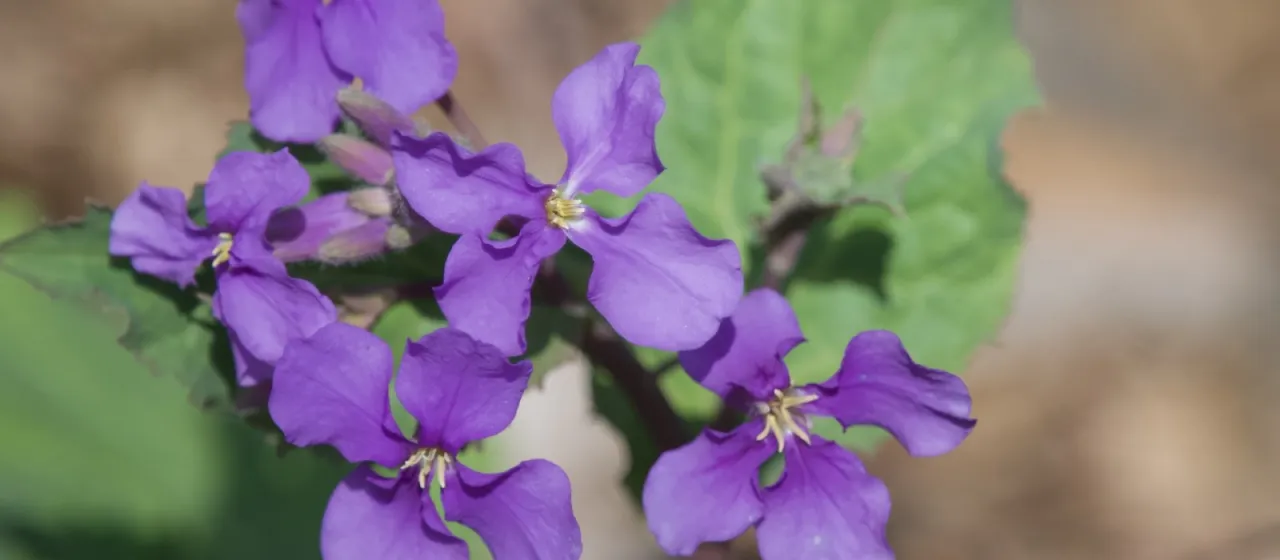
Orychophragmus violaceus, commonly known as the purple wood violet or Chinese violet cress, is a significant crop belonging to the Brassicaceae family. Known for its robust growth and versatility, it serves as a valuable resource in modern agricultural systems, functioning as an oilseed, fodder crop, and an ornamental plant.
The plant originates from East Asia, specifically China, where it has been cultivated for centuries. Its natural range encompasses regions with temperate and subtropical climates. Due to its remarkable ability to adapt to diverse environments, including marginal lands, it has gained international attention as a resilient crop capable of producing biomass under varying conditions.
Botanically, it is characterized by its distinct purple flowers and rapid growth cycle. The plant features broad leaves and produces seed pods containing oil-rich seeds. This lipid content is a primary focus for researchers looking into potential biodiesel feedstocks and plant-based industrial oils, making it a sustainable alternative to traditional oilseeds.
Successful cultivation requires well-drained soil with a balanced nutrient profile. The crop thrives in temperate zones, showing tolerance to cool temperatures, although it requires consistent moisture during the vegetative stage. Proper crop management involves standard tillage, row spacing to minimize competition, and careful monitoring of soil fertility levels to maximize seed yields.
- Extraction of high-quality vegetable oil for industrial application.
- Utilization as a cover crop to enhance soil health and fertility.
- Landscaping and ornamental value in urban environments.
- Supplementary livestock feed in agricultural green-manuring systems.
Like many members of the cabbage family, Orychophragmus violaceus is susceptible to common pests such as flea beetles and aphids, which can affect leaf integrity. Disease management is critical, particularly concerning fungal infections like clubroot. Integrated pest management (IPM) strategies, including crop rotation and the use of resistant varieties, are highly recommended to ensure a healthy yield.