Description
Oryza latifolia is a perennial grass species belonging to the family Poaceae. Unlike domesticated rice, it is a wild relative that serves as a vital genetic reservoir for breeders aiming to improve the resilience and nutritional profile of modern agricultural rice cultivars.
The species is native to the tropical regions of Central and South America. Its natural habitat spans diverse environments from Mexico down through the tropical zones of South America. It typically thrives in high-humidity areas, including wetlands, riverbanks, and marshy tropical forests where it can access constant moisture.
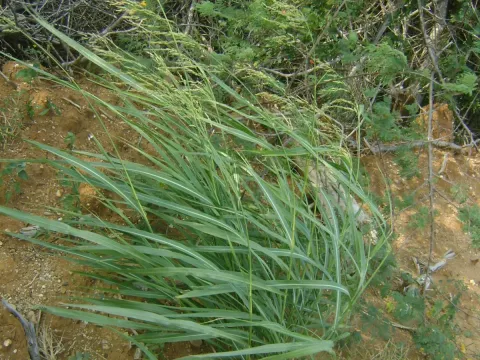
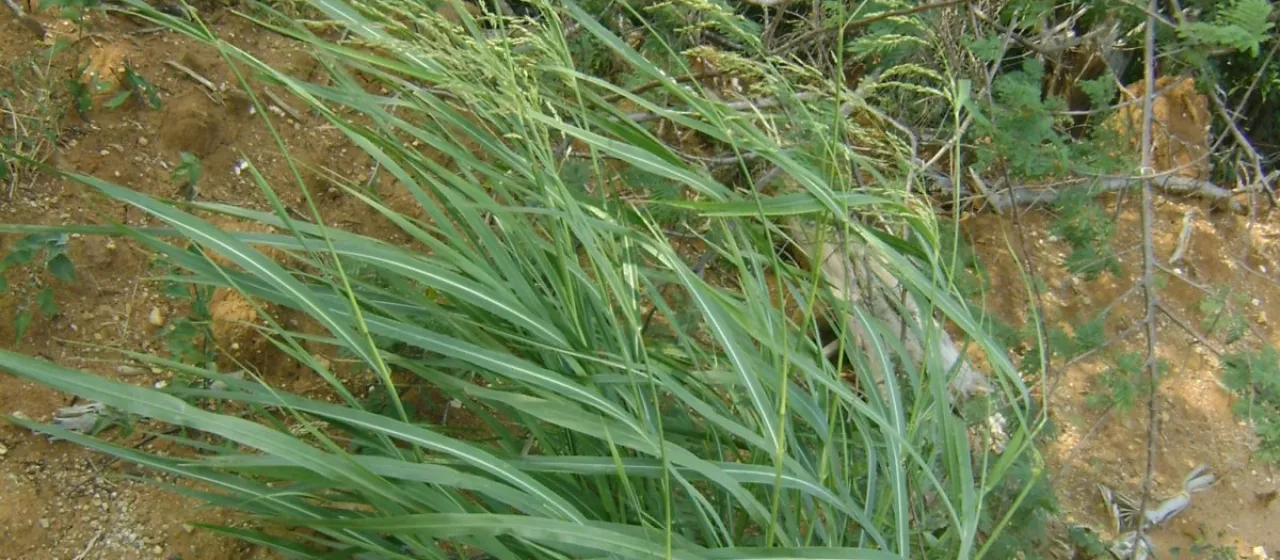
Botanically, this species is defined by its distinctive broad leaf blades and robust growth habit. It grows in dense clumps with stalks that are well-adapted to surviving in waterlogged conditions. The inflorescence is a panicle that bears small, resilient seeds, which are naturally evolved to propagate in the damp, competitive environments of tropical ecosystems.
Requirements for growth center on tropical climate conditions, characterized by high year-round temperatures and significant rainfall. It is highly adapted to heavy, clay-based, and poorly drained soils. While not a commercial crop for human consumption, its agro-ecological role is significant due to its inherent survival mechanisms under extreme moisture and competitive pressure.
In terms of agricultural utility, Oryza latifolia is primarily researched for its resistance genes. It acts as a donor organism for studies on disease resistance and tolerance to flooding. Like other wild grasses, it may be susceptible to local fungal pathogens and specialized insects that attack native poaceae in its tropical range, necessitating careful handling in germplasm collections.
Photo gallery