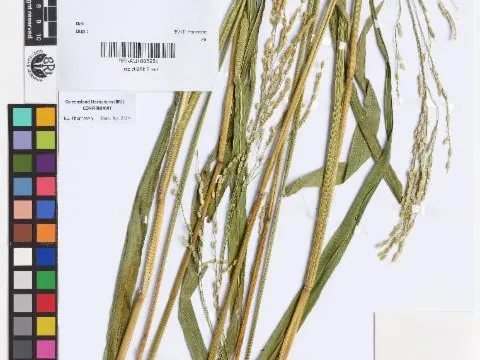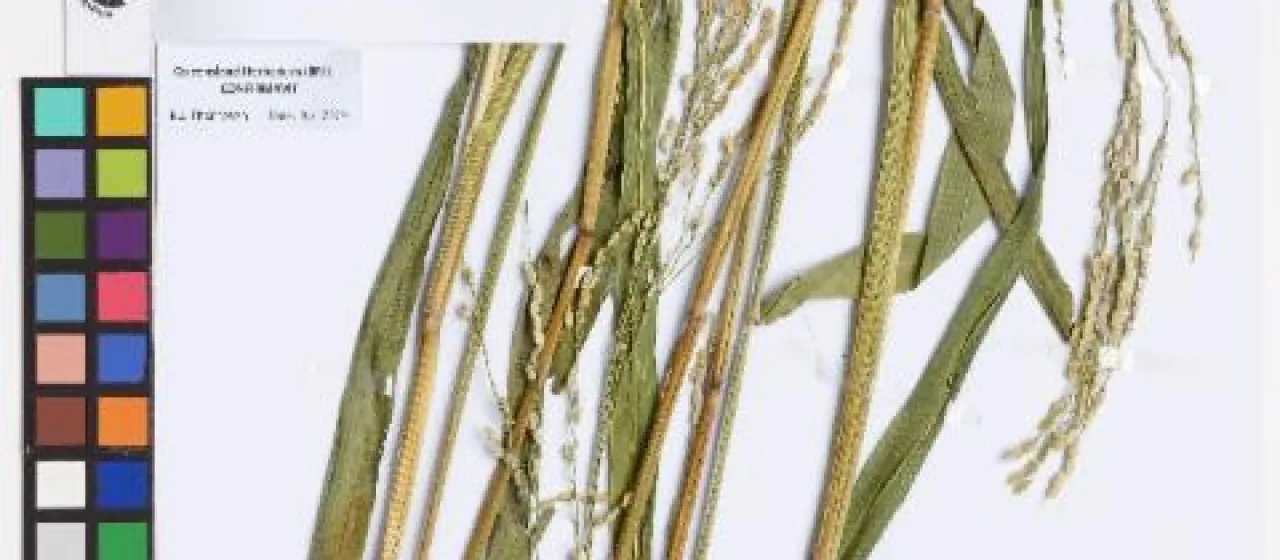
Description
Oryza officinalis is a wild species of grass belonging to the Poaceae family, widely recognized in agricultural research as a critical genetic resource for the improvement of cultivated rice (Oryza sativa). Unlike commercial rice, this species is adapted to thrive in wild environments, exhibiting traits that are highly valued by plant breeders.
The native range of Oryza officinalis spans tropical and subtropical regions of Asia, including Southeast Asia and parts of India and China. It typically inhabits moist environments such as riverbanks, swamp edges, and forest clearings, demonstrating an exceptional ability to tolerate shaded conditions and varying water levels compared to the domesticated counterparts.
From a botanical perspective, it is a perennial species characterized by robust stems and a specific panicle architecture. It is diploid in its genetic composition, which facilitates successful hybridization with other species of the genus. Its resilience to environmental stressors is encoded in its genome, making it a focus of germplasm conservation efforts worldwide.
Agricultural application of this crop focuses primarily on genetic engineering and traditional cross-breeding. The objective is to transfer desirable traits such as drought tolerance, resistance to waterlogging, and broad-spectrum immunity against various biotic stresses from this wild donor into high-yielding varieties of commercial rice crops.
Regarding plant health, Oryza officinalis acts as a natural reservoir for resistance genes against major threats. Its presence helps scientists understand the evolution of:
- Rice blast disease (Magnaporthe oryzae)
- Bacterial leaf blight
- Rice stem borer infestation
- Sheath blight fungus
- Nematode populations in paddy soils
Photo gallery