Description
Osbeckia muralis is a distinct plant species belonging to the Melastomataceae family, known for its elegant foliage and vibrant floral displays. As a member of this tropical family, it shares the characteristic leaf venation and floral structure that define the group in various tropical ecosystems across Asia.
The plant is indigenous to the mountainous regions of South and Southeast Asia. Its native distribution typically includes habitats with high humidity and moderate temperatures, such as forest edges and slopes. These conditions are essential for maintaining the health and vigor of the plant, reflecting its adaptation to specific microclimatic niches.
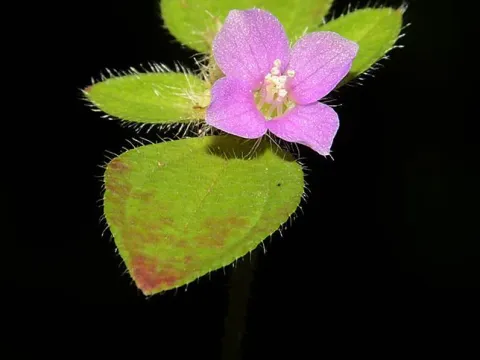
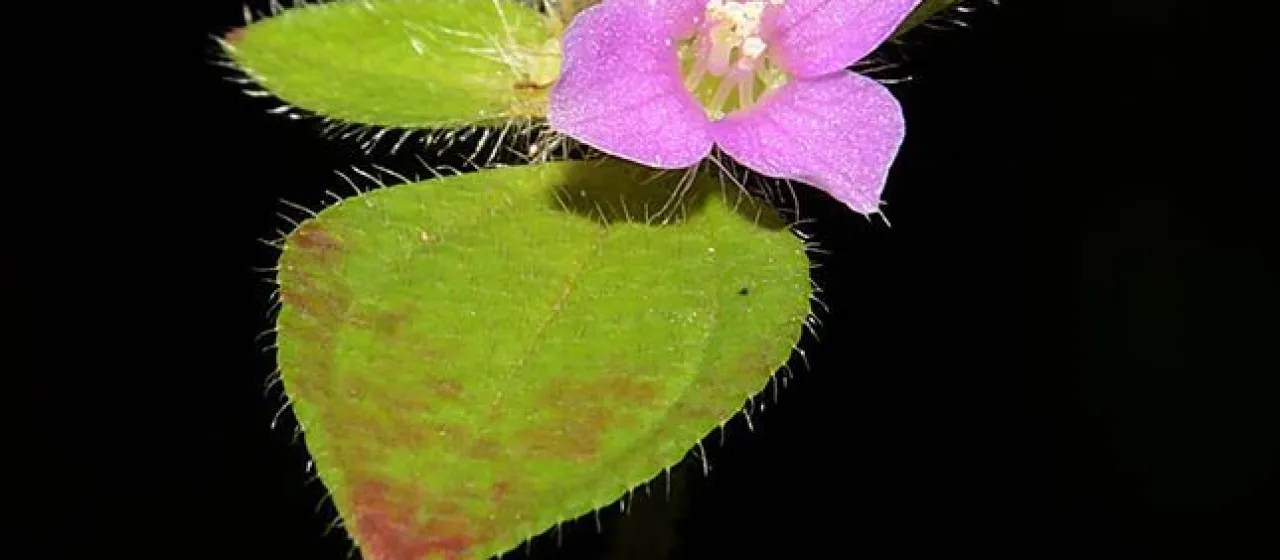
Botanically, Osbeckia muralis is recognized by its four-petaled flowers, often displaying shades of pink or violet, and its opposite leaves with prominent longitudinal veins. The plant exhibits a shrubby or herbaceous growth habit, depending on the environmental conditions and the intensity of light it receives during its vegetative cycle.
In terms of agricultural and horticultural requirements, the species demands well-draining, slightly acidic soil enriched with organic matter. Proper irrigation is critical: while the plant thrives in humid environments, it does not tolerate waterlogged conditions, which can quickly lead to fungal infections and root rot, the most common threats to its cultivation.
The primary utility of Osbeckia muralis lies within the ornamental plant trade, particularly for greenhouse cultivation where climate control is possible. Its potential applications in traditional medicine are also of interest to researchers, although these uses remain largely documented within regional folklore rather than large-scale commercial agricultural practices.
- Family: Melastomataceae
- Hardiness: Tropical (non-frost tolerant)
- Growth Habit: Herbaceous/Shrubby
- Common use: Decorative/Botanical
Photo gallery