Description
Osbeckia octandra is a perennial shrub belonging to the Melastomataceae family. Recognized for its significant role in traditional Asian medicine, particularly in Sri Lankan Ayurvedic practices, the plant is a subject of ongoing research regarding its therapeutic properties. It is a distinct botanical species characterized by its specific floral morphology and medicinal chemical composition.
The plant originates from the tropical regions of India and Sri Lanka. Its native habitat includes moist mountain slopes, forest clearings, and areas with high humidity. Due to its specific environmental requirements, its cultivation is largely restricted to tropical and sub-tropical zones where temperature and precipitation levels remain relatively constant throughout the year.
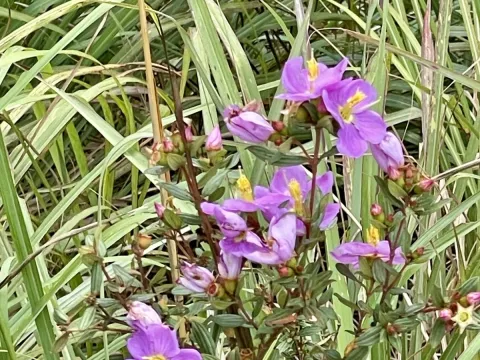
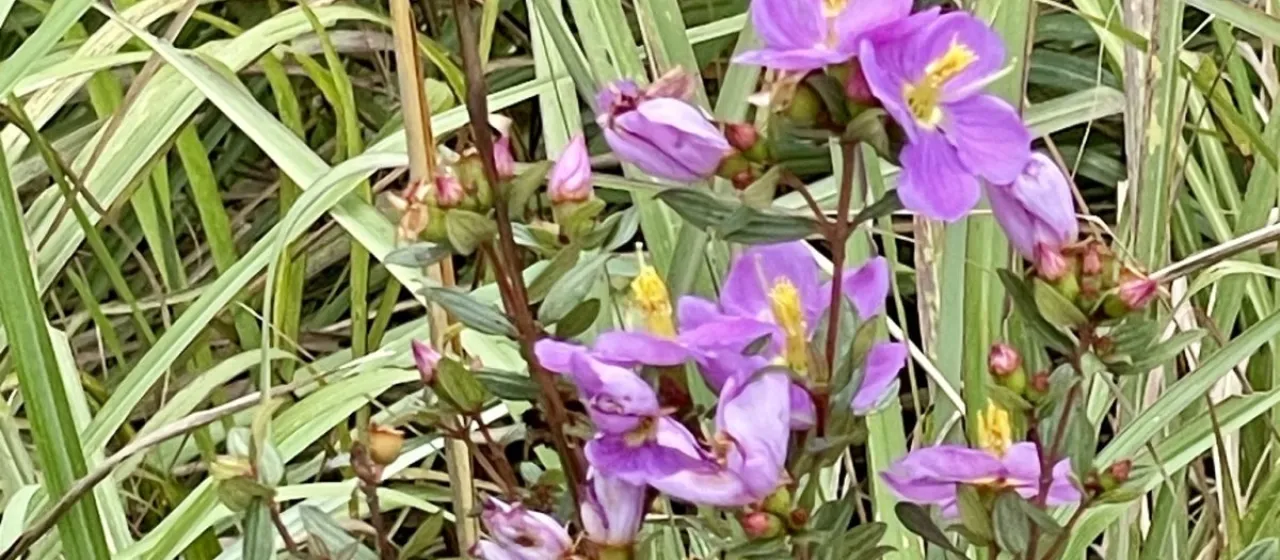
Botanically, Osbeckia octandra is noted for its opposite, lanceolate leaves with prominent longitudinal venation and vibrant pink-to-purple flowers. The plant's structure typically develops into a hardy shrub with wood-like stems as it matures. The reproductive system produces small, numerous seeds within a capsule, allowing for effective natural propagation under favorable ecological conditions.
Agricultural management requires well-drained, nutrient-rich soils with a slightly acidic to neutral pH level. Effective cultivation practices focus on maintaining consistent soil moisture while preventing waterlogging, which is a major threat to the plant's surface-dwelling root system. Mulching is essential to maintain soil temperature and humidity, ensuring optimal vegetative growth and biomass production.
The economic value of Osbeckia octandra lies primarily in the pharmaceutical and wellness industries. Key areas of utilization include:
- Manufacturing of hepatoprotective medications for liver support.
- Formulation of herbal supplements aimed at blood sugar regulation.
- Use of leaf extracts in anti-inflammatory medicinal blends.
- Cultivation as a ornamental species in tropical horticultural projects.
Common pests and diseases include root rot, often caused by excessive soil moisture and poor drainage, and common sucking insects such as aphids or spider mites. Maintaining plant vigor through balanced fertilization and adequate ventilation is critical to preventing infestations. Integrated pest management (IPM) strategies, including the use of mild botanical pesticides, are generally effective in protecting crop health.
Photo gallery