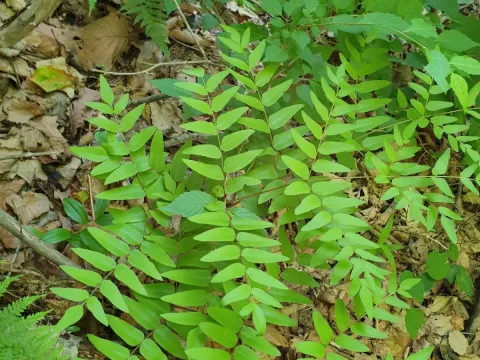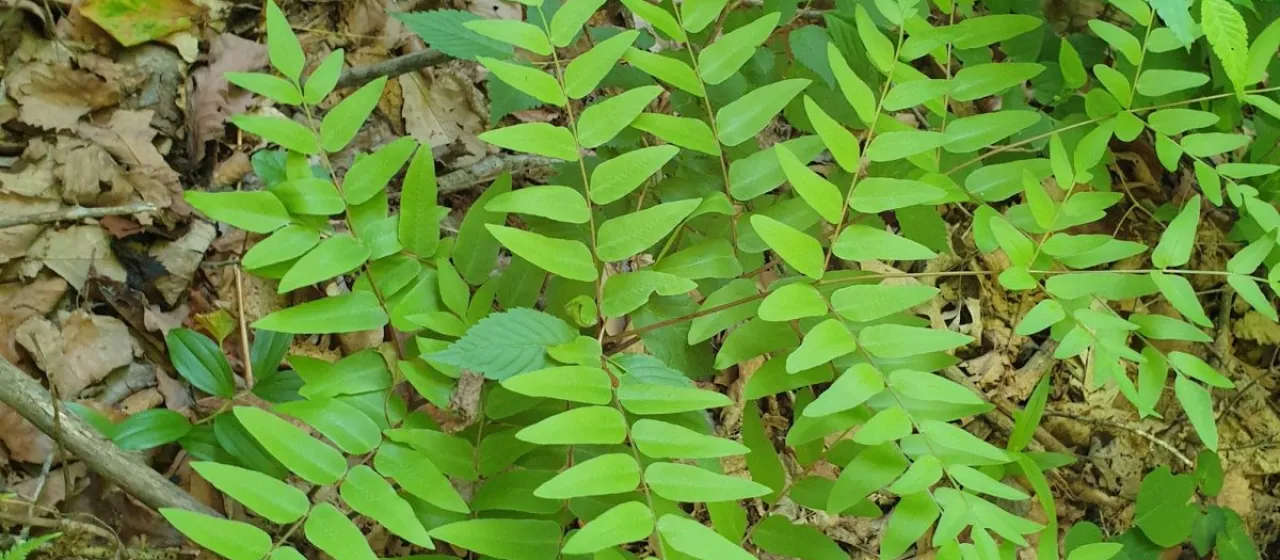
Description
The Cinnamon fern (Osmunda japonica), often referred to by its scientific name, belongs to the Osmundaceae family. Unlike purely ornamental varieties, this species is recognized as a significant crop in various regions, valued for both its nutritional properties and its distinct biological characteristics as a hardy perennial.
Originating from East Asia, including Japan, Korea, and parts of the Russian Far East, the plant is naturally adapted to moist forest environments. Its cultivation range is restricted by its demand for specific moisture levels and temperature ranges, thriving best in regions that mirror the humid, temperate conditions of its native woodland habitats.
Botanically, the plant is identified by its large, upright fronds and a thick, rhizomatous root system. The species exhibits pronounced dimorphism, producing separate sterile (vegetative) and fertile (spore-bearing) fronds. The fertile fronds turn a distinct cinnamon-brown color as they mature, which provides the common name and serves as a vital diagnostic feature for field identification.
Agro-technological success depends on replicating the plant's natural soil and light requirements. Key factors include:
- Rich, well-draining, acidic to neutral soil composition.
- Consistent soil moisture, preventing complete dry-out periods.
- Partial to full shade exposure to avoid foliar burn.
- Regular application of organic compost to improve soil fertility and moisture retention.
The primary agricultural use involves the harvest of young, tender fronds (fiddleheads) for culinary consumption, which are highly regarded for their texture and taste after proper preparation. In terms of crop health, farmers must monitor for common fern pests such as slugs, snails, and certain foliage-eating insects. Fungal diseases can occur under poor ventilation or excessive humidity, making proper spacing and site selection essential for crop protection.
Photo gallery