Description
Osteospermum calendulaceum is an annual herbaceous plant belonging to the Asteraceae family. Known for its resilient nature, this species serves as a valuable component in both residential gardens and managed landscapes, valued for its bright, sun-loving floral displays.
Native to Southern Africa, this plant has adapted to diverse environments, including stony soils and coastal dunes. In agricultural and horticultural contexts, it thrives in regions with warm climates and high light intensity, reflecting its evolutionary origin in arid and semi-arid zones.
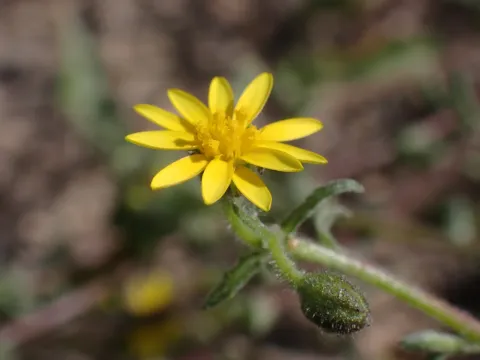
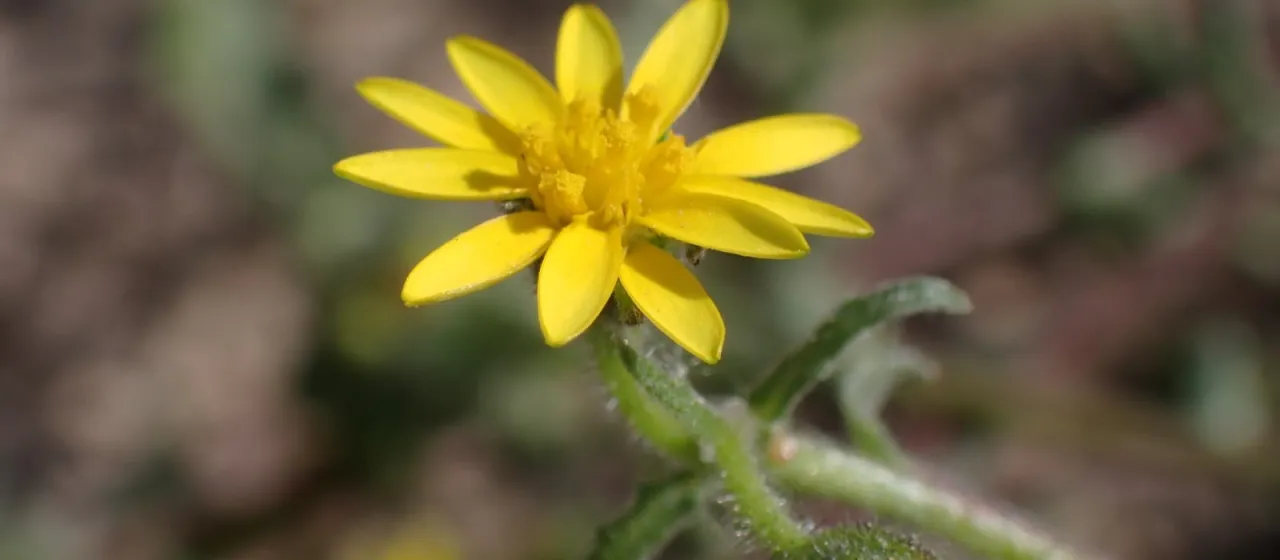
Botanically, the plant features branched stems with serrated foliage. Its distinctive inflorescences are characterized by daisy-like flower heads with yellow to orange hues. A key biological trait is its phototropic response, where the blooms open fully during bright sunshine and close during overcast conditions or at night.
Regarding cultivation, the plant requires well-drained, nutrient-poor to average soils. It is highly intolerant of waterlogged conditions, which can lead to root rot. Irrigation should be managed conservatively, allowing the substrate to dry out between watering sessions to ensure healthy development.
The primary use of the plant is ornamental, commonly utilized in rock gardens, borders, and hanging baskets. While generally hardy, the plant can be susceptible to common garden pests such as aphids and fungal infections like powdery mildew, which are typically managed through proper spacing for air circulation and integrated pest management practices.
Photo gallery