Description
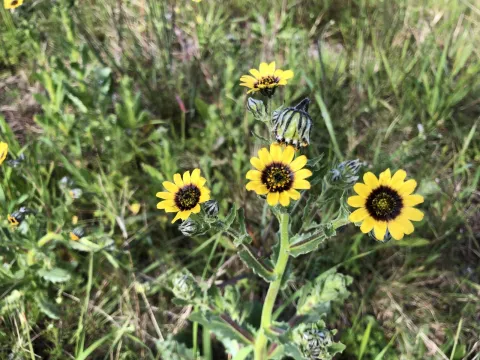
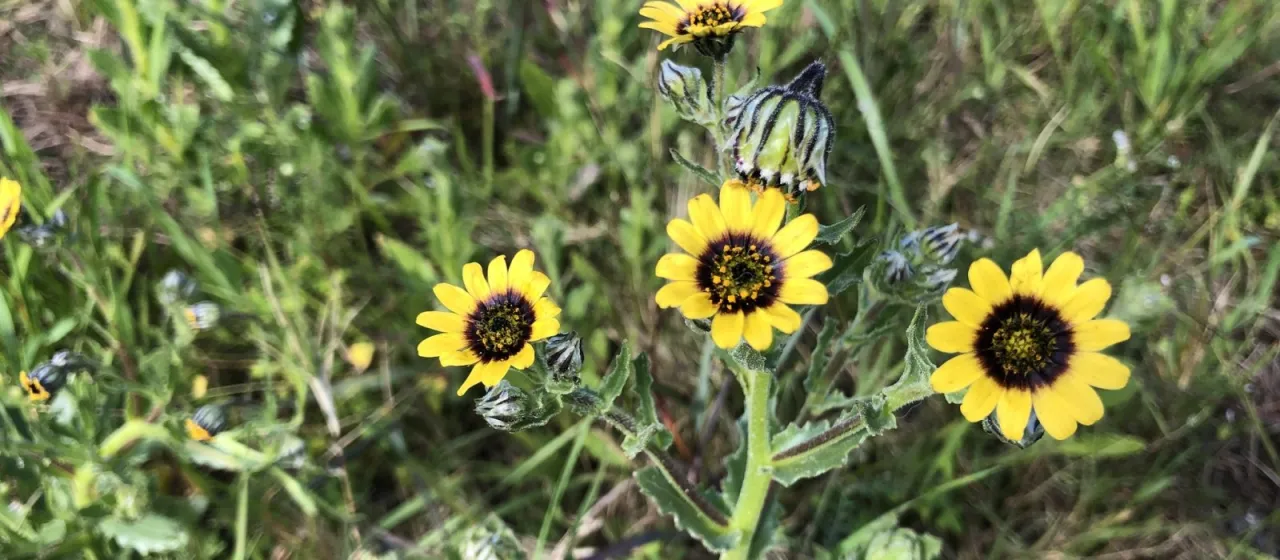
Osteospermum monstrosum is an intriguing member of the Asteraceae family, valued in floriculture for its distinctively shaped blooms. This cultivar is recognized for its unique petal morphology, often featuring spoon-like or curled configurations that deviate from the standard daisy-like appearance of the genus, providing an exotic and highly decorative aesthetic.
Originating from the southern regions of Africa, this species is naturally adapted to dry, sunny environments and well-drained soils. In contemporary agriculture and gardening, it is cultivated globally, primarily as an annual in cooler climates or as a tender perennial in frost-free regions. Its resilience and striking appearance have made it a favorite among landscapers and home gardeners alike.
Botanically, the plant is characterized by a bushy growth habit, typically reaching heights of 40–60 centimeters. Its foliage is usually serrated and grey-green, providing a neutral background for the vibrant, unusual flowers. A key biological feature of this species is its strong dependence on light; the flower heads respond directly to irradiance, closing during overcast weather or at night to protect the reproductive organs.
Agronomic requirements for successful growth include a location with full sun exposure and a substrate that offers excellent drainage. Osteospermum monstrosum performs best in slightly acidic to neutral soil types. While it possesses moderate drought tolerance, consistent moisture during the peak flowering season is recommended to ensure continuous bloom production. Excessive nitrogen fertilization should be avoided as it promotes vegetative growth at the expense of floral display.
The primary use of this crop is in ornamental horticulture, particularly in containers, hanging baskets, and as a border plant in landscape designs. Regarding plant health, growers should monitor for common pests such as aphids and diseases like powdery mildew, particularly in high-humidity or poorly ventilated conditions. Effective management involves maintaining adequate spacing between plants and ensuring appropriate moisture levels at the root zone.
- Light requirement: Full sun (at least 6-8 hours daily).
- Soil type: Well-drained, nutrient-rich, sandy loam.
- Propagation: Primarily by seeds or stem cuttings.
Photo gallery