Description
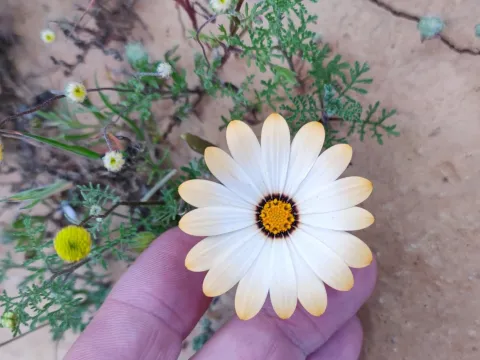
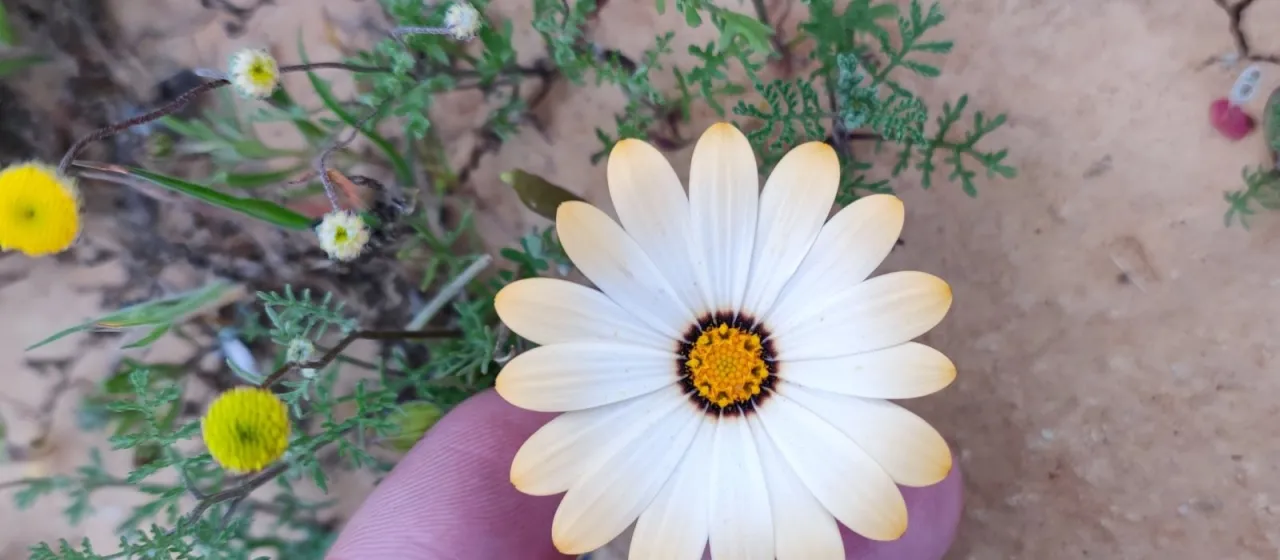
Osteospermum pinnatum is a perennial herbaceous plant belonging to the Asteraceae family. Known for its distinctively pinnate foliage and vibrant floral displays, this species is widely recognized in horticultural circles as a robust ornamental crop. Botanically, it is classified as a subshrub, characterized by its resilient structure and adaptive biological mechanisms that allow it to thrive in varying garden conditions.
Originating from the Southern regions of Africa, the species is naturally adapted to high-sun environments and periodic water scarcity. Its native habitat comprises open landscapes where soil drainage is typically rapid. This evolutionary history dictates the cultivation requirements for modern agronomy, prioritizing sites with high solar exposure and well-structured, non-compacted soil profiles.
The botanical architecture of Osteospermum pinnatum includes a branching stem system and daisy-like inflorescences. The pinnately divided leaves provide a textural contrast, making it a desirable candidate for borders and containers. The plant exhibits indeterminate flowering, meaning it produces blooms continuously throughout the growing season provided that temperature conditions remain favorable for metabolic activity.
Agronomic requirements for successful production emphasize drainage and moisture management. It is crucial to prevent waterlogging, which often induces root rot and pathogen colonization. The crop thrives in neutral to slightly acidic soils. Fertilization should be balanced, with an emphasis on potassium during the flowering stage to maximize color intensity and structural integrity of the floral stalks.
In terms of economic and practical use, it is primarily utilized in floriculture and urban landscaping. While generally hardy, the plant is susceptible to common pests such as aphids and spider mites, particularly in greenhouses. Disease management typically involves the prevention of fungal pathogens like downy mildew and powdery mildew through adequate spacing to ensure good air circulation, complemented by prophylactic fungicide applications when necessary.
- Sun exposure: Full sun.
- Soil preference: Well-drained, sandy loam.
- Watering: Moderate; avoid waterlogged roots.
- Hardiness: Tender perennial; protect from frost.
Photo gallery