Description
Otatea acuminata, commonly known as Mexican weeping bamboo, is a perennial plant belonging to the grass family (Poaceae). This species is recognized for its elegant, arching stems and slender, delicate foliage that gives it a graceful appearance. Unlike many running bamboo species, it grows in a clumping habit, making it a manageable and highly desirable plant for both ornamental and practical agricultural purposes.
The species originates from the mountainous regions of Mexico and parts of Central America. It has adapted to thrive in varied environmental conditions, primarily in dry forests and foothills. Because of its natural resilience, it has become a popular cultivated plant in many subtropical regions worldwide, where it is used to enhance the aesthetics of landscapes and provide structural greenery.
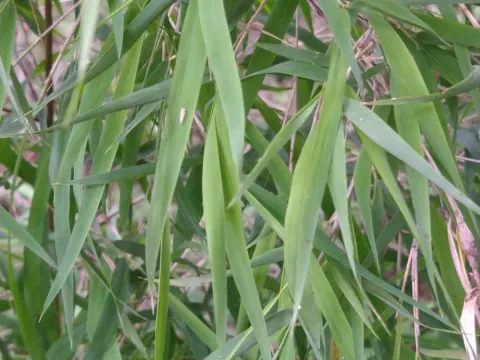
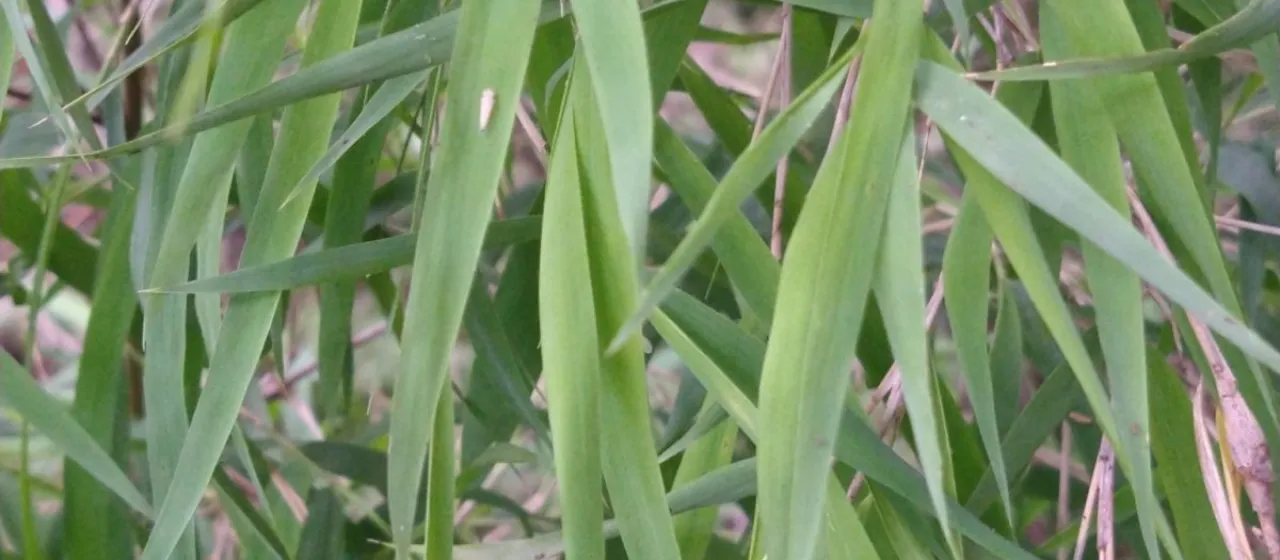
Botanically, Otatea acuminata is characterized by its sympodial growth pattern, forming dense clumps of culms that can grow up to 6 meters tall. The stems are remarkably strong yet flexible, featuring distinct nodes and internodes. The leaves are narrow and lance-shaped, often appearing in a rich green color. Its non-invasive root system ensures that the plant remains contained within its planting zone, which is a major advantage for land management.
Agricultural requirements for this bamboo include well-draining soil and a location with full to partial sun exposure. While it exhibits better drought tolerance than many other bamboo varieties, consistent moisture during the growing season significantly improves its vigor. It is recommended to use organic mulch to retain soil moisture and regulate soil temperature. Proper spacing during initial planting is essential to allow for the plant's wide, arching habit.
In terms of хозяйственное usage, Mexican weeping bamboo serves as an excellent screening plant for wind protection and privacy. Its strong culms are harvested for various handicrafts, including basketry, furniture making, and structural supports in gardens. Furthermore, its dense root structure makes it an effective tool for preventing soil erosion on sloping terrains, contributing to sustainable land maintenance.
Common issues affecting plant health include:
- Spider mites during periods of hot, dry weather.
- Mealybugs that may colonize the leaf sheaths.
- Root rot if planted in heavy, waterlogged soil conditions.
- Leaf spot diseases triggered by poor ventilation in dense clumps.
Photo gallery