Description
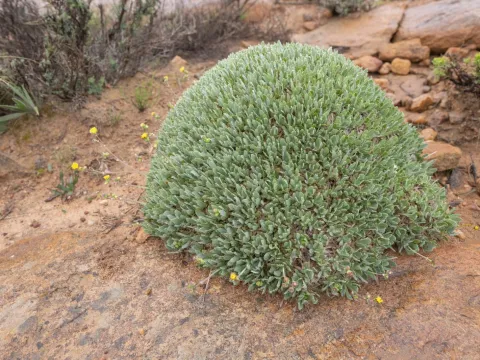
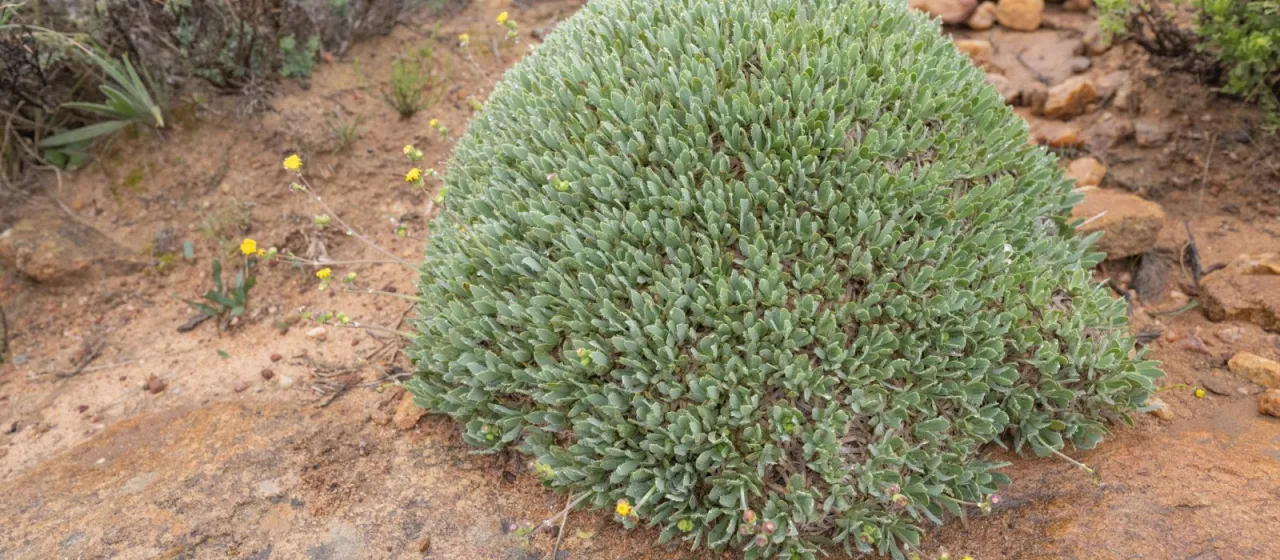
Othonna retrorsa is a perennial herbaceous plant belonging to the Asteraceae family. This species is recognized for its unique succulent characteristics and evolutionary adaptations that allow it to survive in the arid and rocky landscapes of its native origin in South Africa.
The geographic distribution of Othonna retrorsa is largely confined to the Cape region, where it thrives in well-drained, nutrient-poor, rocky soils. These environmental conditions have shaped the plant's growth habits, favoring compact, water-storing structures that resist the harsh winds and prolonged drought cycles of its habitat.
Botanically, the plant is defined by its fleshy leaves arranged in basal rosettes and a specialized root system. It exhibits typical features of the genus Othonna, including vibrant yellow flower heads (capitula) that appear during the active growing season. The plant's morphology is a textbook example of survival in extreme xeric conditions.
Cultivation requirements for Othonna retrorsa center on mimicking its natural climate. Essential agronomic practices include providing maximum sunlight, using a mineral-based substrate with high drainage capacity, and avoiding water saturation at all costs. An established dry period is crucial to prevent physiological disorders and promote natural dormancy cycles.
The primary use of Othonna retrorsa is within the scope of ornamental horticulture and specialized succulent collections. While generally resilient, the plant can be susceptible to typical indoor pests such as mealybugs and spider mites if air circulation is poor. Root rot remains the most significant threat, usually caused by improper watering intervals during the dormancy period.
Photo gallery