Description
Ouratea oliviformis is a specialized botanical species belonging to the Ochnaceae family. It is typically characterized as a woody shrub or a small tree that exhibits unique structural features adapted to tropical environments, making it a subject of interest for both collectors and botanical researchers.
Originating from the tropical regions of the Americas, this species thrives in humid forest habitats. Its natural distribution is largely defined by climates that maintain consistent warmth and high humidity levels throughout the year, which are essential for the physiological processes and vegetative development of the plant.
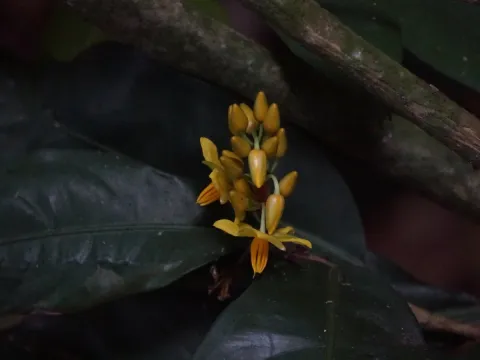
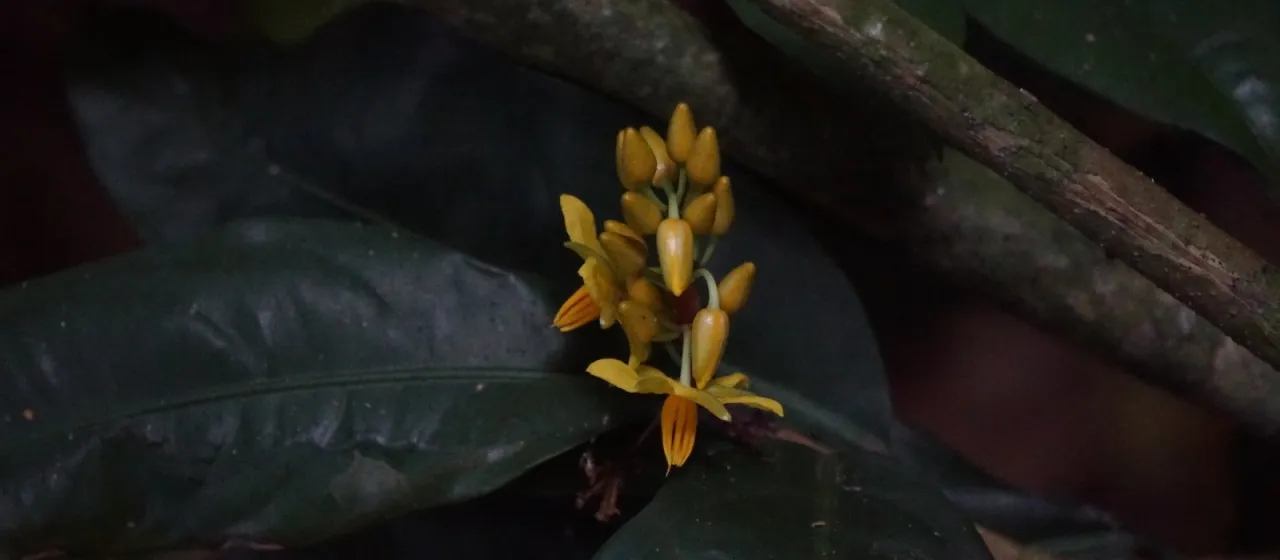
Botanically, the species is distinguished by its leathery, olive-like lanceolate leaves, which provide a distinct visual identity. The reproductive structures are particularly notable for their vibrant colors and the persistence of sepals during the maturation of the fruit, providing both ecological value and ornamental appeal.
Cultivation requirements for this species are centered on replicating its native ecological niche. It demands well-draining, humus-rich soil and consistent moisture management. While it thrives in tropical environments, it is essential to ensure proper ventilation to prevent fungal pathogens from affecting the foliage or root zone.
The primary utility of the plant lies in ornamental horticulture and botanical study. Its growth habits allow it to fit well into structured landscape designs in suitable climate zones.
- Prefers partial shade environments for optimal foliage color.
- Requires balanced nutritional supplementation during the active growth phase.
- Relatively low pest susceptibility when kept in appropriate humidity.
- Long-lived perennial suitable for subtropical gardening.
Photo gallery