Description
Ourisia macrophylla is a perennial herbaceous plant belonging to the Plantaginaceae family. While it is not a traditional food crop, it holds a significant place in ornamental horticulture and alpine gardening, valued for its vigorous growth habit and striking inflorescences.
The species originates from the mountainous regions of New Zealand, where it thrives in moist, cool environments such as stream banks and forest edges. Its natural habitat dictates its physiological needs, favoring climates with high annual precipitation and protection from the intense heat found in lowland agricultural settings.
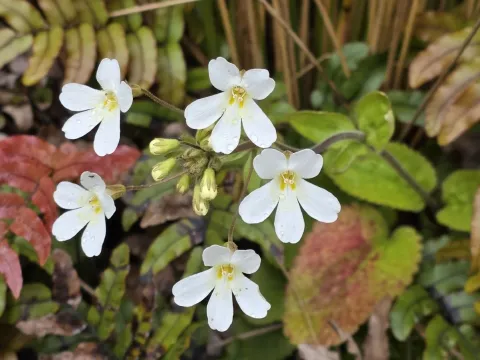
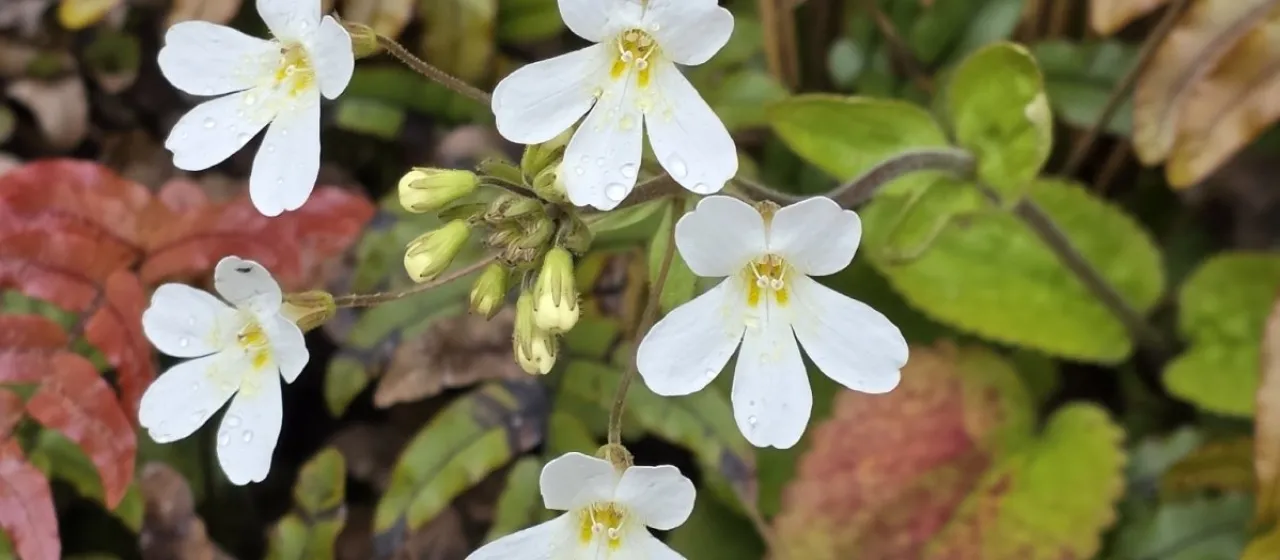
Botanically, this plant is characterized by its large, ovate, hairy leaves which form a sprawling rosette. The flowering stems emerge in spring and summer, carrying showy, tubular, white flowers with yellow or orange throats. These inflorescences are structured in whorls, providing a distinct architectural look to the plant.
Cultivation requires strict adherence to soil and site conditions. The plant performs best in moisture-retentive, humus-rich soil with excellent drainage. Exposure to full, harsh sun should be avoided; partial shade or dappled sunlight is ideal to prevent leaf scorching and desiccation of the root zone during summer.
- Soil Type: Loamy, rich in organic matter.
- Watering: Consistent, frequent irrigation required.
- Propagation: Seeds or division of established clumps.
- Hardiness: Prefers cool temperate conditions.
In terms of plant health, Ourisia macrophylla is relatively resilient but can be susceptible to root rot if drainage is insufficient. Slugs and snails are the primary pests that affect the foliage, particularly in damp conditions. Maintaining good air circulation and cleaning debris around the plants can significantly reduce the risk of infestation and disease.
Photo gallery