Description
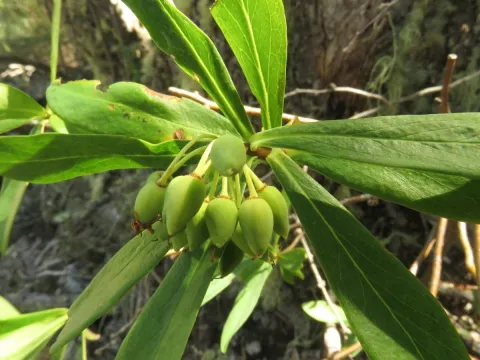
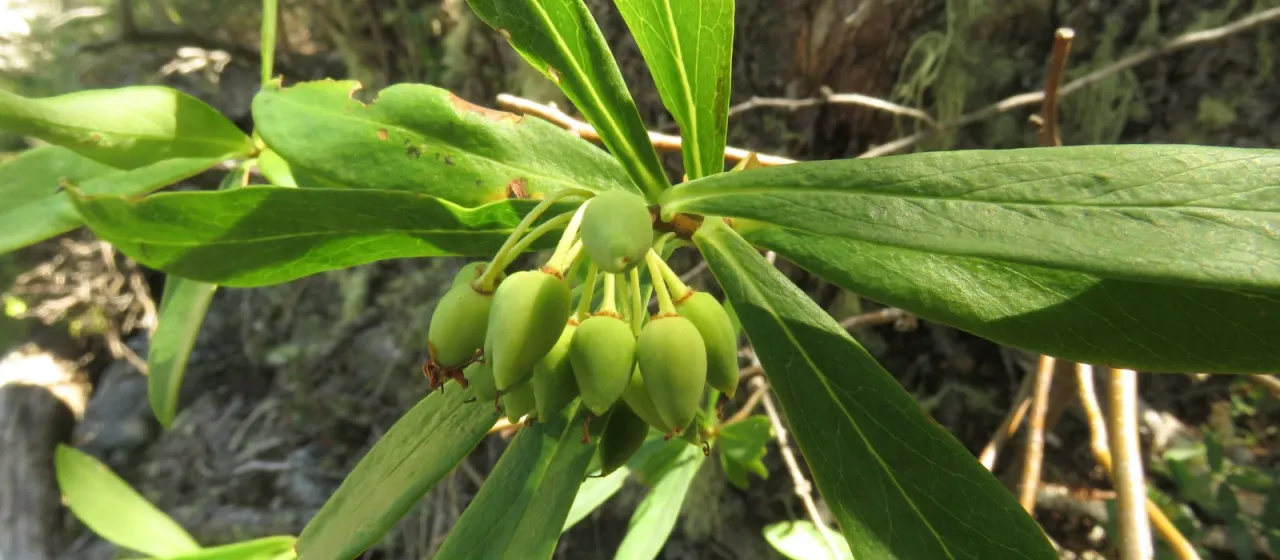
Ovidia andina is a perennial evergreen shrub belonging to the Thymelaeaceae family. As a distinct species native to the high-altitude regions of the Andes, it is recognized for its specialized adaptation to the cool, temperate climates of South America, specifically within the ecosystems of Chile and Argentina.
The native habitat of this plant consists primarily of mountainous slopes and subalpine forests. Ovidia andina thrives in environments that offer moderate moisture and consistent air circulation. It typically establishes itself in rocky, well-drained soils, often acting as a protective ground cover or understory shrub in its natural mountain environment.
From a botanical perspective, the plant is characterized by its leathery, simple leaves and tubular flowers, which are typical of the Thymelaeaceae family. These flowers are often white or cream-colored, providing a delicate appearance during the flowering season. The shrub’s growth habit is dense and compact, allowing it to withstand high winds and variable weather patterns.
Cultivation requirements for Ovidia andina focus on mimicking its natural environment. It requires acidic to neutral soil that is rich in organic matter but strictly well-draining to prevent root rot. It is best suited for climates with cool summers and frost-free winters, although its high-altitude origin suggests a reasonable level of hardiness against low temperatures.
Regarding its utility, Ovidia andina is not a widely commercialized crop, but it holds significant value in ethnobotany. It has been documented for its traditional use in localized medicine. Pests such as aphids or common leaf-spotting fungi can occasionally affect the plant in greenhouse conditions, making proper ventilation and humidity control essential for successful maintenance.
Photo gallery