Description
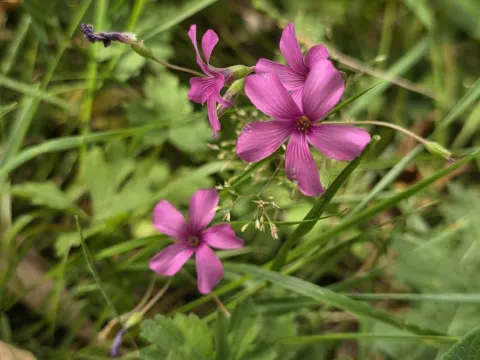
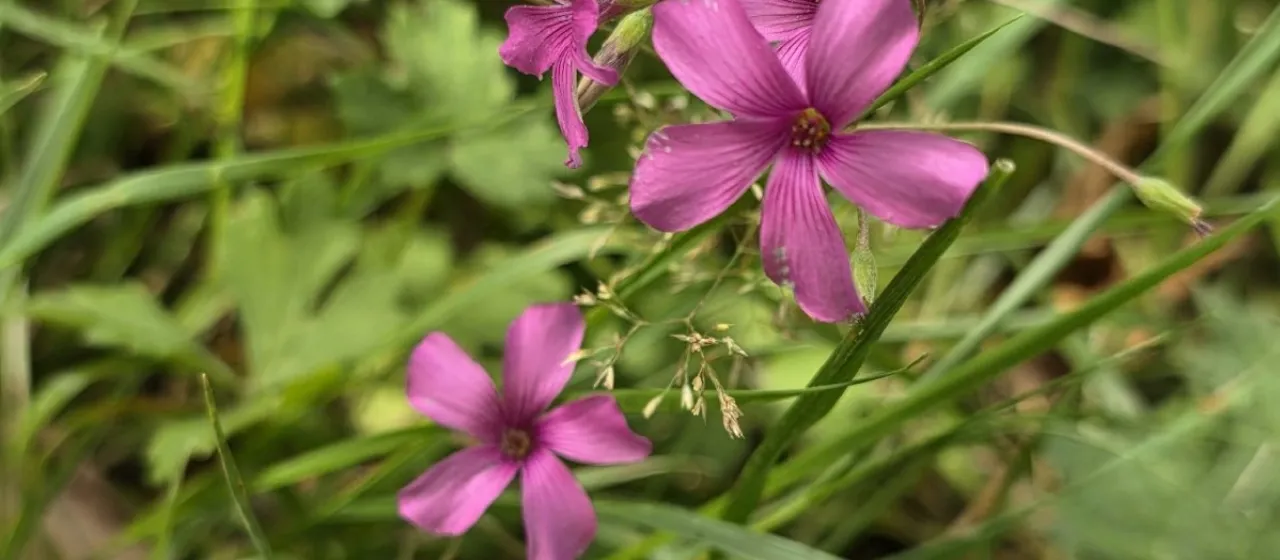
Pink-sorrel (Oxalis articulata) is a perennial herbaceous plant belonging to the Oxalidaceae family. This species is widely recognized for its cluster-forming habit and vivid, long-lasting floral displays, making it a popular choice for both ornamental garden beds and large-scale landscaping projects.
Originating from the temperate and subtropical regions of South America—specifically Argentina, Brazil, and Uruguay—the plant has successfully naturalized in various regions globally. Its ability to adapt to diverse ecological niches has allowed it to thrive in both garden settings and semi-wild environments within temperate climate zones.
Botanically, the species is defined by its knotted, tuberous rhizomes that serve as storage organs, allowing the plant to persist through unfavorable seasons. The foliage consists of trifoliate leaves, often exhibiting a slight sheen, while the flowers are typically pink to deep magenta, arranged in umbel-like inflorescences supported by robust stems.
Agricultural requirements for Oxalis articulata prioritize well-draining, nutrient-rich soil with a slightly acidic to neutral pH level. While the plant thrives in full sun, it shows good tolerance for partial shade. Consistent moisture is required during the growing season, but waterlogging must be strictly avoided to prevent root rot.
In terms of management and protection, the crop is generally hardy, though it may be susceptible to pests such as aphids and spider mites, particularly in greenhouse or sheltered conditions. Disease management involves ensuring adequate airflow to prevent fungal infections like rust or powdery mildew, which can develop during periods of high humidity.
Photo gallery