Description
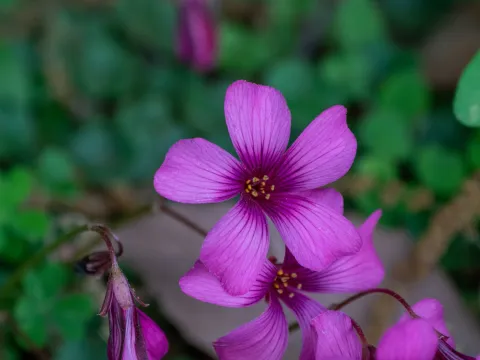
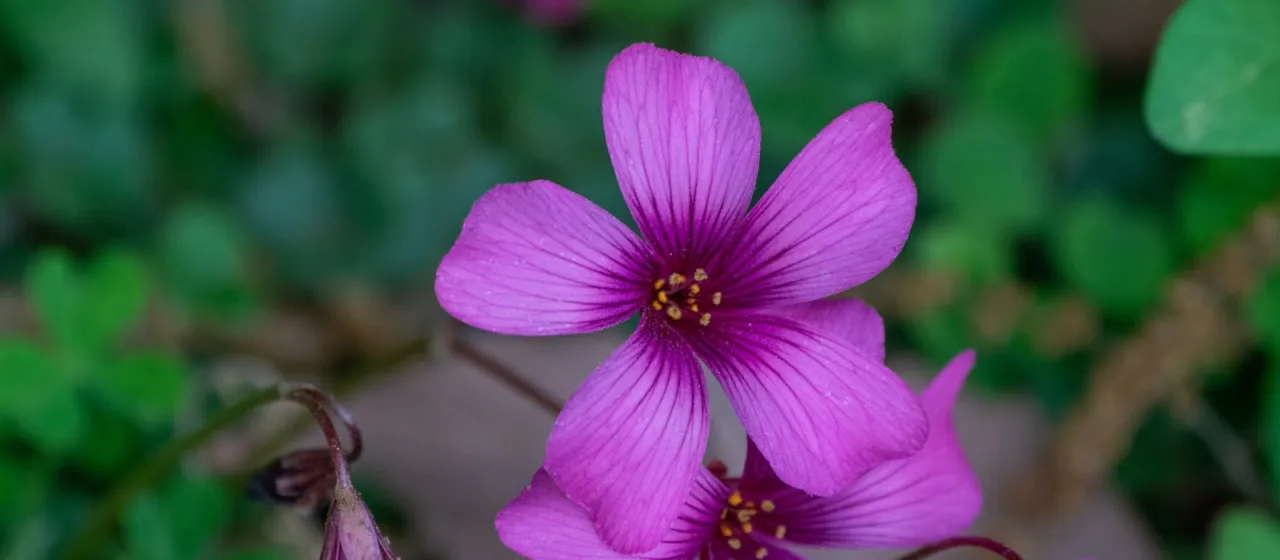
Brazilian wood sorrel (Oxalis brasiliensis) is a perennial bulbous plant belonging to the Oxalidaceae family. Originating from South America, specifically Brazil, this species is highly regarded in horticulture for its vibrant floral displays and graceful, clover-like foliage. It is commonly cultivated as a decorative element in temperate gardens and as an attractive houseplant.
The plant features distinct trifoliate leaves rising from underground bulbs. The flowers are typically rose-pink or magenta, blooming profusely throughout the growing season. A notable botanical characteristic is the plant's ability to exhibit nyctinasty, where the leaves and flowers fold up in response to darkness or lower light intensity, which serves as a protective mechanism for the plant's reproductive structures.
For optimal growth, Oxalis brasiliensis requires well-lit, sunny positions with well-drained soil. It thrives in loamy or sandy substrates that allow for proper aeration and prevent moisture stagnation around the bulbs. While it prefers warm climates, it can be adapted to various conditions, provided that the bulbs are protected from freezing temperatures during dormancy.
Agricultural management involves a consistent irrigation schedule during the growing phase, ensuring the soil remains moist but not waterlogged. Periodic fertilization with balanced nutrients helps sustain vigorous foliage and prolonged flowering. During the dormant period, irrigation should be significantly reduced or stopped entirely to allow the bulbs to rest, which is crucial for the plant's health.
- Requires bright, filtered sunlight to full sun.
- Prefers well-draining, slightly acidic soil mixes.
- Needs a distinct period of rest after flowering.
- Can be propagated via bulb offsets or seeds.
The primary use of this species is ornamental, often integrated into rock gardens, borders, and indoor container gardening. Common pests include aphids and spider mites, which can be mitigated through proper humidity management and regular inspections. By following these basic cultural requirements, gardeners can ensure a healthy and attractive stand of Oxalis brasiliensis year after year.
Photo gallery