Description
Oxalis cordobensis is a perennial bulbous plant belonging to the Oxalidaceae family. This species is native to the South American region, specifically associated with the province of Córdoba in Argentina. It is a geophyte, meaning it utilizes its underground bulb as a survival mechanism against seasonal climatic fluctuations.
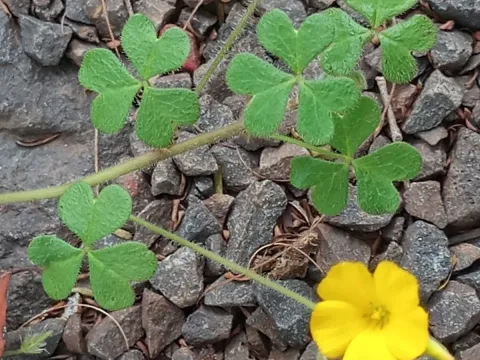
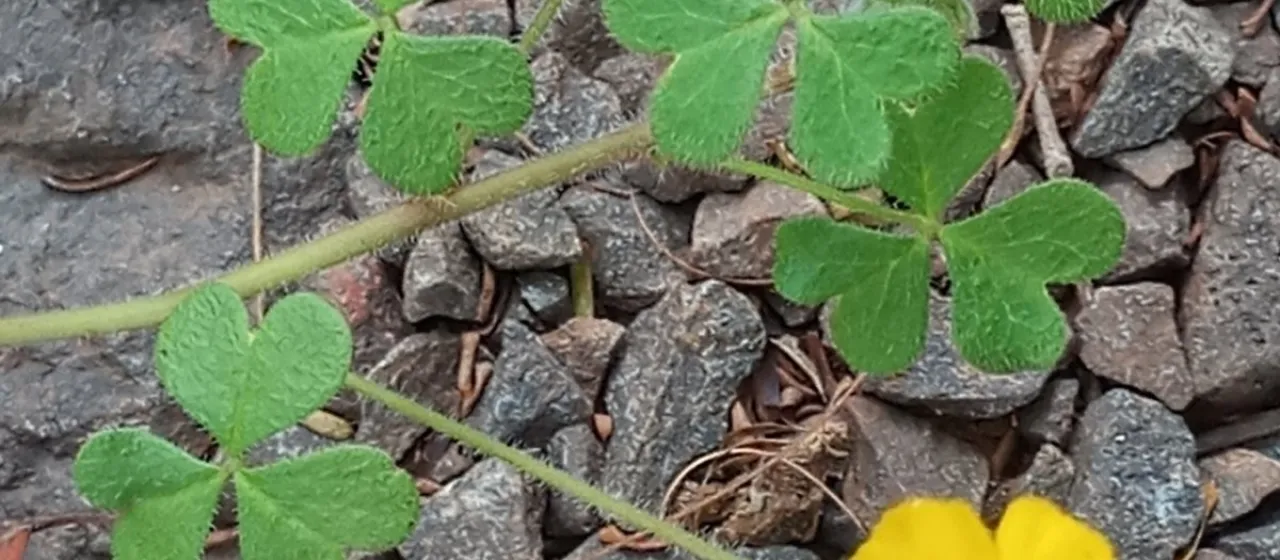
Botanically, Oxalis cordobensis displays characteristic trifoliate leaves that often have a distinct heart-shaped structure. The plant produces delicate flowers, usually emerging from the center of the rosette on long stalks, which serve as a primary aesthetic feature for cultivators and botanical collectors.
In terms of habitat, the species thrives in areas with distinct seasonal patterns of rainfall. Because of this, the plant is naturally adapted to a dormancy phase, during which the foliage dies back completely. Providing this resting period is crucial for the health of the bulb and the plant's ability to bloom in subsequent growing seasons.
Regarding cultivation, the plant requires a porous, well-draining substrate to thrive. A mixture of loam, coarse sand, and perlite is generally recommended to ensure proper aeration around the root system. Over-watering is the most common mistake made by growers, as it significantly increases the risk of fungal decay in the dormant bulb.
The primary use of Oxalis cordobensis is ornamental, often utilized in container gardening, rock gardens, or specialized greenhouse collections. Maintenance involves monitoring for common pests like aphids and spider mites, which can be managed with standard horticultural practices and careful environmental control.
Photo gallery