Description
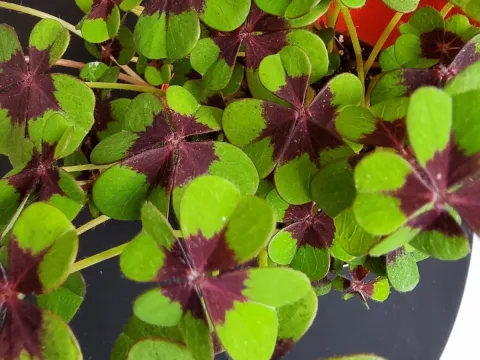
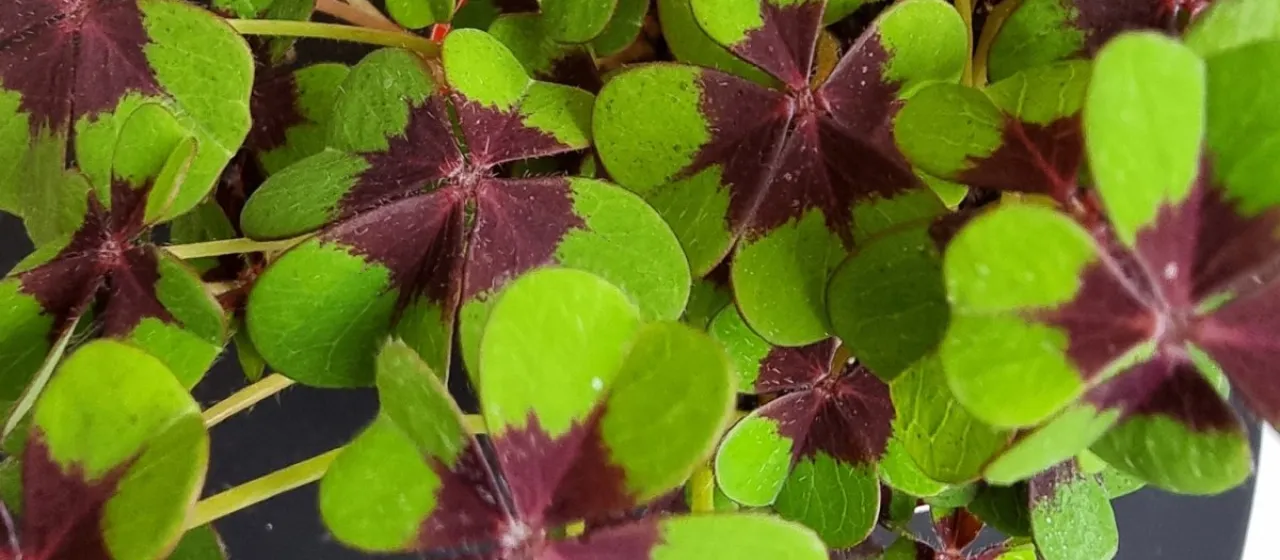
Oxalis deppei, commonly known as Lucky Clover or Iron Cross, is a perennial plant belonging to the Oxalidaceae family. The plant is widely recognized for its distinctive four-lobed leaves, each featuring a dark purple or maroon center, arranged in a way that resembles a lucky clover. Growing from small bulbs, it forms dense, attractive clumps that are highly valued in both ornamental and small-scale horticultural settings.
Originating from Mexico, this species thrives in climates where there is plenty of sunshine and temperate conditions. Because it is not fully hardy in colder regions, it is typically managed as a summer-flowering bulb. In temperate zones, gardeners must ensure the bulbs are lifted before the first frosts and stored in a dry, cool place to survive the dormant period successfully.
From a botanical standpoint, the plant exhibits fascinating growth behaviors, including phototropism and nyctinasty. The leaves open fully under sunlight and fold down at night or under stress. This adaptation serves as a protective mechanism for the plant, preserving water and reducing transpiration during periods of low light or adverse environmental conditions.
Cultivation of Oxalis deppei requires well-draining, nutrient-rich soil. It is particularly important to maintain a soil pH that is slightly acidic to neutral. The plant is sun-loving, but in areas with intense afternoon heat, providing partial shade helps maintain the vitality of the foliage. During the growing season, a consistent but moderate watering schedule, combined with a balanced liquid fertilizer every few weeks, is essential for optimal performance.
The practical and economic applications of Oxalis deppei include:
- Ornamental gardening: Used extensively for hanging baskets, patio containers, and border edging.
- Edible landscaping: Its leaves and flowers contain oxalic acid, providing a refreshing tart flavor, and are often used as a culinary garnish or salad ingredient.
- Commercial horticulture: Often produced as a decorative plant in the nursery trade for spring and summer sales.
- Educational and indoor plant collections due to its interesting leaf movement patterns.
Common health issues in Oxalis deppei often stem from environmental stressors. Pests like spider mites and aphids may inhabit the plant during dry spells, necessitating regular inspection and cleaning. Fungal issues, such as root rot, are usually the result of overwatering or inadequate soil aeration. Ensuring a porous substrate and preventing waterlogging are the best preventive measures for keeping the plant healthy and productive.
Photo gallery