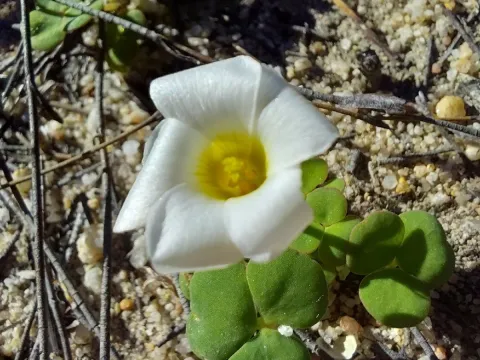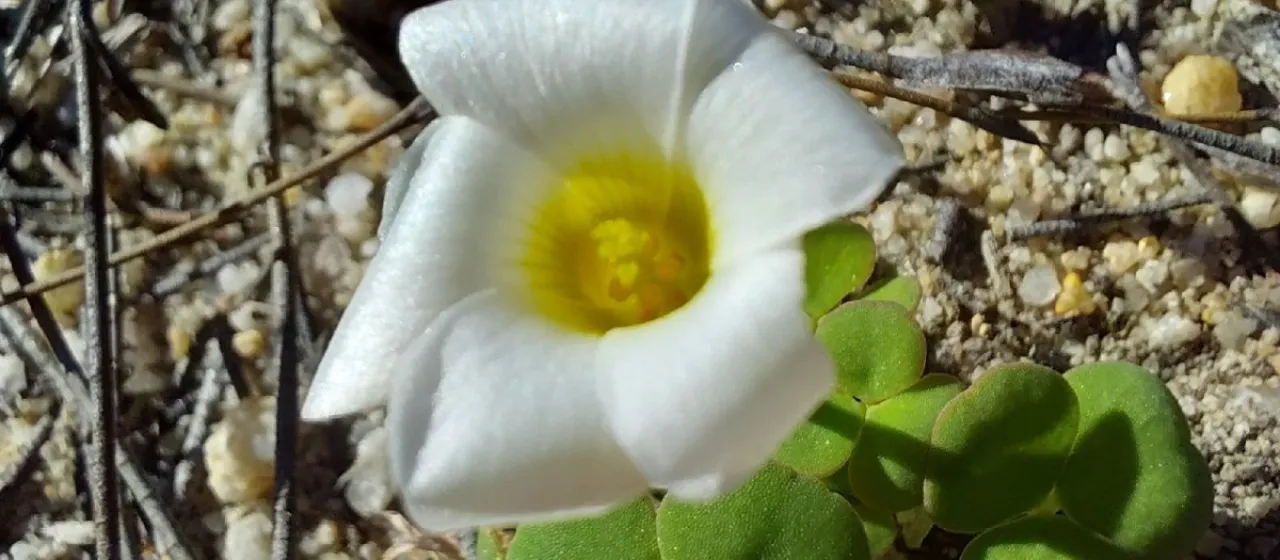
Description
Oxalis depressa is a low-growing herbaceous perennial plant belonging to the family Oxalidaceae. Unlike many other species of the genus, which are often considered invasive weeds, this particular plant is highly prized in horticulture for its neat, compact habit and delicate aesthetic. It creates low-profile mats of trifoliate foliage that remain visually appealing throughout the growing season.
The native distribution of Oxalis depressa is centered in the mountain regions of South Africa. Adapted to rocky terrain and specific climatic seasonality, the plant has evolved to thrive in environments where drainage is excellent and moisture fluctuates. Today, it is cultivated worldwide in temperate gardens, particularly in regions where rock gardens and alpine plant collections are popular.
Botanically, the plant is characterized by its small, bulbous root system, which allows it to survive periods of dormancy. The leaves are typically trifoliate, and the flowers, which appear in late spring and summer, are known for their soft pink to lilac hues. It is a slow-growing species, rarely exceeding 10 centimeters in height, making it an excellent candidate for tight spaces and containers.
Successful cultivation of this species requires strict adherence to soil and light conditions. Oxalis depressa thrives in gritty, well-draining, sandy soils that mimic its natural mountain habitat. It requires a sunny position to prevent etiolation and to ensure healthy floral production. Excessive moisture, especially during the dormant season, must be avoided to prevent bulb decay.
- High-quality drainage is essential.
- Full sun exposure is required for compact growth.
- Low fertilization levels to maintain hardiness.
- Drier conditions required during the plant's dormancy.
In landscaping, Oxalis depressa is primarily used for alpine gardens, scree beds, and as an attractive edging plant. From a plant health perspective, it is generally robust; however, it can be susceptible to root rot if overwatered. Common garden pests are rarely an issue, though proper air circulation is important when growing the plant in greenhouse or indoor environments.
Photo gallery