Description
Oxalis divaricata is a distinct perennial herbaceous plant belonging to the Oxalidaceae family. Known for its specific growth habit and biological features, this species serves as a fascinating subject for both taxonomic research and ornamental horticulture, demonstrating typical characteristics of the genus while maintaining its own unique morphological traits.
The origin of Oxalis divaricata is traced back to South America, where it thrives in varied climates ranging from temperate to subtropical. The plant typically occupies niches such as open meadows, rocky slopes, and light woodlands, where environmental conditions support its moderate moisture requirements and need for consistent sun exposure throughout the growing season.
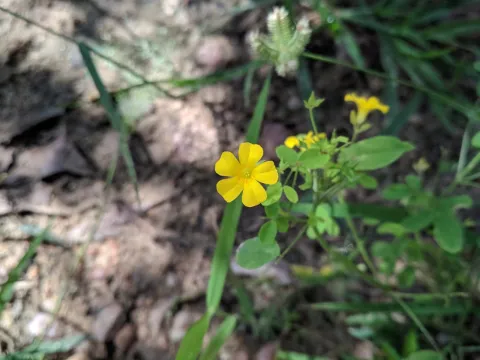
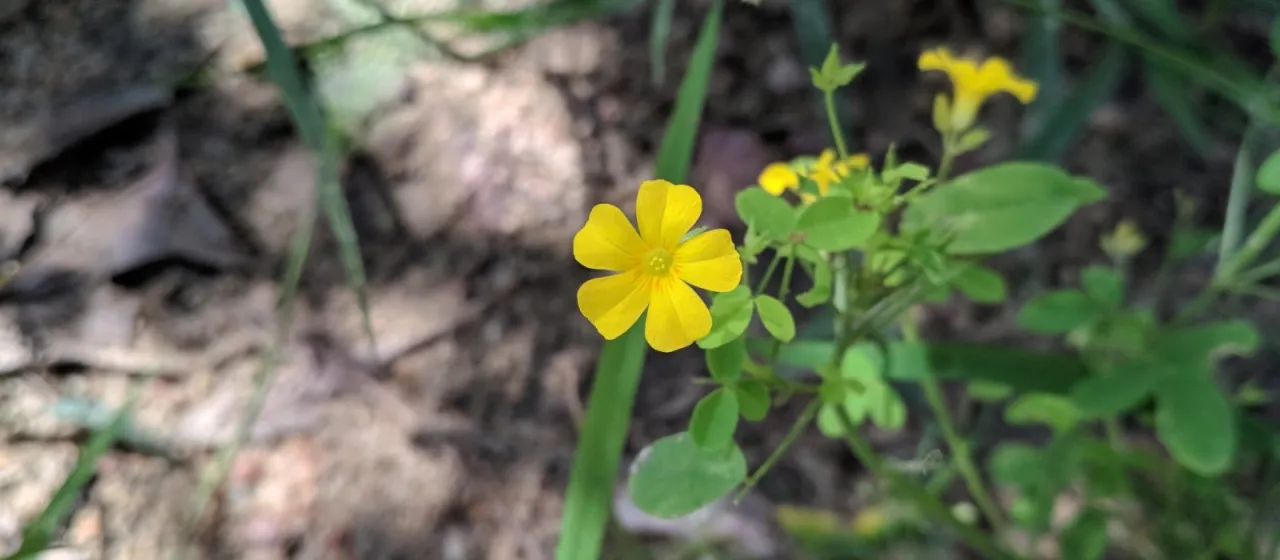
Botanically, the species is defined by its divaricating, or widely spreading, branches which give the plant its characteristic appearance. It produces delicate, trifoliate leaves and elegant, funnel-shaped flowers that bloom during favorable weather conditions. The root system is generally developed to store nutrients, allowing the plant to remain resilient during short periods of environmental stress.
Regarding agrotechnics, successful cultivation requires well-draining, slightly acidic to neutral soil compositions. It is essential to ensure that the planting site is not prone to waterlogging, as the roots are highly susceptible to rot. Moderate watering regimes and good air circulation are vital factors in maintaining plant health, especially in container gardening or greenhouse settings.
The primary utility of this plant is found within the ornamental sector. It is widely favored for rock gardens, ground cover applications in mild climates, and as a decorative potted plant for indoor or conservatory environments. Its ability to provide vibrant foliage and blossoms makes it an asset for creating textured landscape designs in modern gardening.
- Vulnerability to spider mites in low-humidity environments.
- Susceptibility to fungal pathogens during prolonged rainy periods.
- Importance of organic fertilizer application during the spring growth phase.
Photo gallery