Description
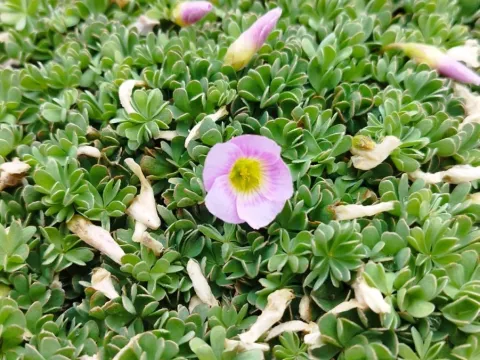
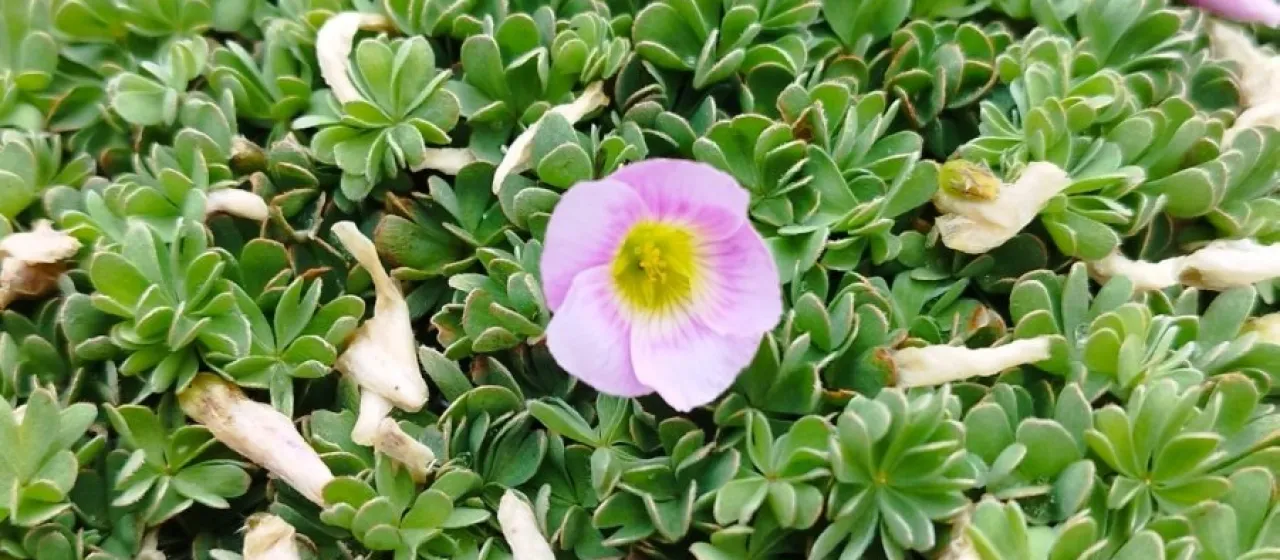
Scurvy grass oxalis (Oxalis enneaphylla) is a charming, low-growing perennial species belonging to the Oxalidaceae family. This plant is highly prized in horticulture for its dense, silver-blue foliage and beautiful, cup-shaped flowers that appear in spring, making it a favorite for alpine garden enthusiasts.
Native to the southern regions of South America and the Falkland Islands, this plant has evolved to thrive in harsh, rocky environments. Its natural habitat includes cold, windswept plains and stony slopes, which allows it to withstand significant temperature fluctuations when cultivated in suitable garden settings.
Botanically, Oxalis enneaphylla grows from a knobby rhizome, forming a compact clump. Its leaves are palmately divided into nine distinct leaflets, which are coated in a glaucous wax that gives them a distinct silvery appearance. The flowers, which can be white or pink, emerge on short stalks above the foliage, creating a delicate display.
Successful cultivation requires a well-draining soil mix that prevents water accumulation around the rhizomes. The plant prefers a cool position with bright, indirect light. During the growing season, it needs consistent moisture, but it must be kept relatively dry during its dormant winter period to avoid rot and fungal issues.
- Requires gritty, well-drained soil.
- Prefers cool climates; hates high heat.
- Propagates via division of rhizomes.
- Susceptible to slugs and snails.
In terms of usage, it is strictly an ornamental plant used primarily in rock gardens, scree beds, or as a specimen plant in troughs and containers. Gardeners should monitor the plant for common pests such as slugs, which are attracted to the succulent-like leaves, and ensure regular division every few years to keep the plants vigorous.
Photo gallery