Description
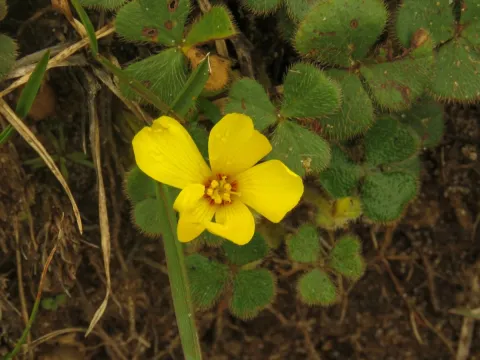
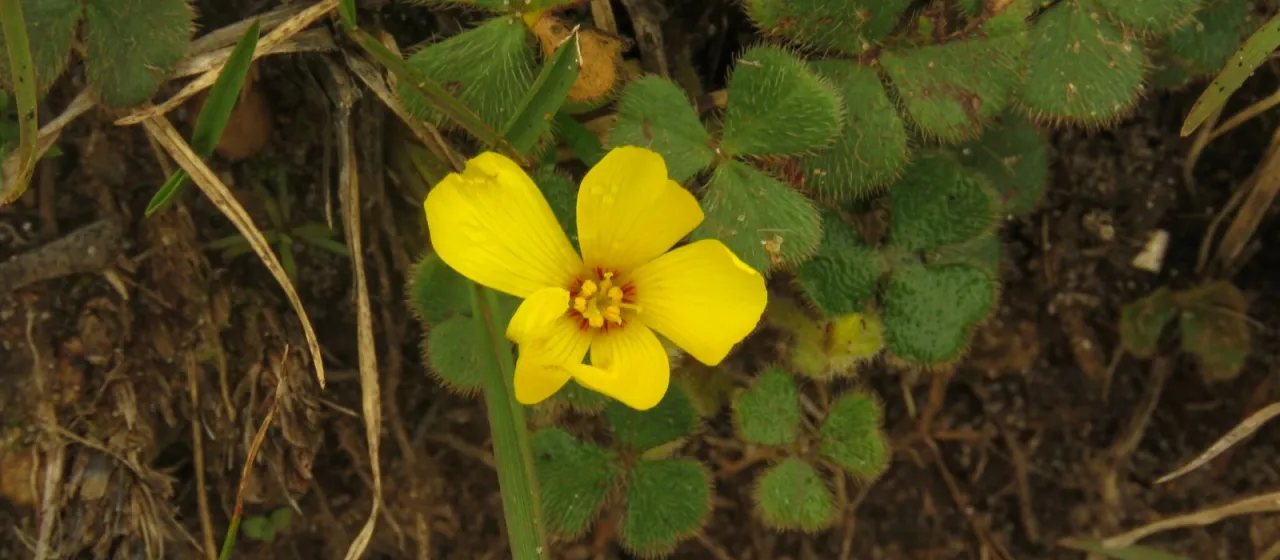
Oxalis eriocarpa is a perennial herbaceous plant belonging to the Oxalidaceae family. This species is distinguished by the fine, woolly hairs covering its seed capsules, a key identification feature. Like other members of the Oxalis genus, it exhibits nyctinasty, where the leaves fold in response to darkness or touch, protecting the foliage from extreme environmental conditions.
Native to specific regions of Southern Africa, Oxalis eriocarpa has adapted to environments with distinct wet and dry cycles. This geographical origin dictates its biological life cycle, which involves a necessary dormancy period. Understanding this natural rhythm is crucial for gardeners and growers to ensure the plant survives year after year in cultivation.
The botanical structure of the plant features underground storage organs, such as small bulbs or corms, which store water and energy. The leaves are typically trifoliate, arranged on slender stalks, and the flowers are funnel-shaped with vibrant petals. These features not only serve a biological function but also contribute to the plant's aesthetic appeal in various garden settings.
Successful cultivation of Oxalis eriocarpa requires mimicking its native environment. It thrives in well-draining, slightly acidic to neutral soil. Proper irrigation is paramount; while the plant requires water during its growth phase, it is highly susceptible to root rot if the soil remains waterlogged. Providing bright, indirect sunlight is recommended to maintain the plant's vigor and color intensity.
- Ensure a gritty, well-draining soil mix is used for container planting.
- Reduce watering significantly once the foliage begins to yellow and die back.
- Store bulbs in a cool, dry place if grown in zones prone to frost.
- Provide ample light during the active growing season to prevent etiolation.
The primary use for Oxalis eriocarpa is as an ornamental crop in rock gardens, pots, and indoor arrangements. It is valued for its unique foliage and delicate blooms. Regarding plant health, the species can be susceptible to spider mites and mealybugs if kept in dry, stagnant air. Proper spacing and good ventilation are essential preventive measures against common fungal diseases.
Photo gallery