Description
Creeping woodsorrel (Oxalis exilis) is a herbaceous perennial plant belonging to the Oxalidaceae family. While it is primarily regarded as an invasive weed in agricultural and horticultural settings, understanding its biology is essential for effective farm and garden management.
The plant originates from New Zealand and Australia but has since spread globally. It is now widely established in temperate and subtropical regions, frequently colonizing lawns, nursery containers, and damp cultivated lands. Its ability to thrive in disturbed soils has made it a common sight in commercial greenhouse operations.
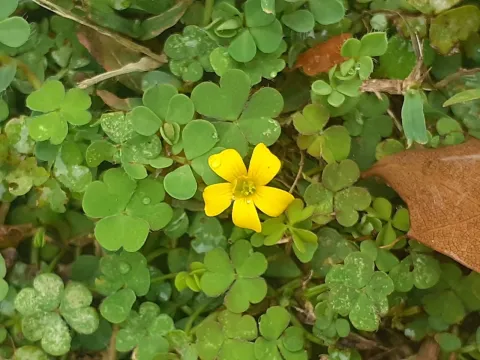
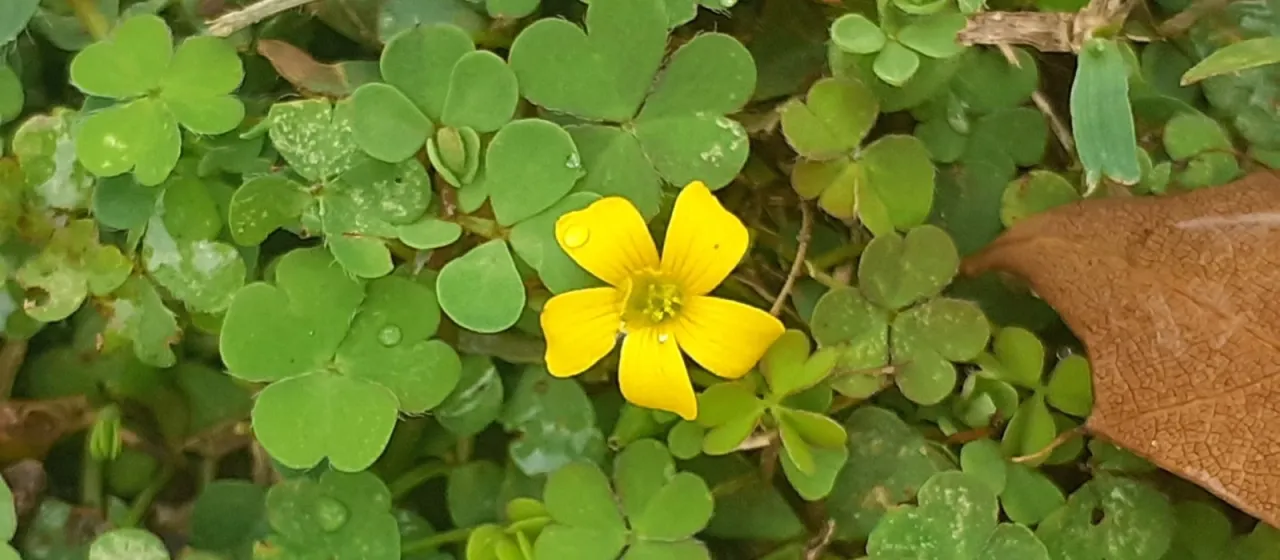
Botanically, Oxalis exilis is characterized by its prostrate stems that root at the nodes, allowing for rapid vegetative expansion. The leaves are trifoliate, heart-shaped, and often exhibit a yellowish-green hue. It produces small yellow flowers almost continuously throughout the warmer months, resulting in high seed production potential.
Regarding cultivation and environmental requirements, the plant prefers moist, fertile, and well-drained soils. It displays high phenotypic plasticity, adapting to both shaded environments and full sunlight. In terms of agronomy, its rapid spread necessitates consistent monitoring and integrated management strategies to protect primary crops.
Economic and agricultural considerations center on mitigation, as the plant can quickly dominate ground space. Key control practices include:
- Manual removal of the root system to prevent regeneration.
- Maintaining soil surface sanitation to avoid establishment.
- Utilization of professional-grade herbicides in severe infestations.
The species is remarkably resilient and generally resistant to common plant diseases. However, it can serve as a reservoir for certain plant viruses and nematodes, which may pose indirect risks to surrounding crops. Effective long-term control is typically achieved through a combination of manual, cultural, and chemical methods.
Photo gallery