Description
Florida woodsorrel (Oxalis florida) is a perennial herbaceous plant belonging to the Oxalidaceae family. While often categorized in a horticultural context rather than traditional row-crop farming, it serves as a significant ground-covering species that enhances soil stability and adds aesthetic value to agricultural landscapes and managed gardens.
The species is native to North America, where it thrives in diverse environments ranging from open woodlands to meadows. Its adaptation to these regions allows it to be successfully cultivated in temperate climates. The plant's natural resilience makes it an ideal candidate for introduction into areas where soil coverage is required to prevent weed encroachment and erosion.
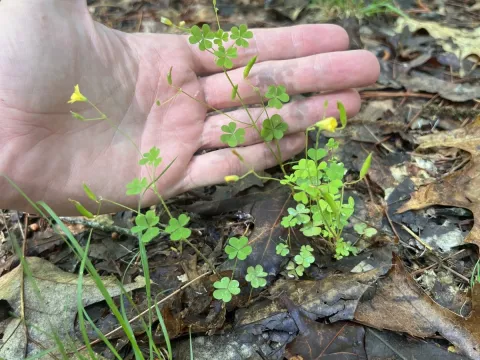
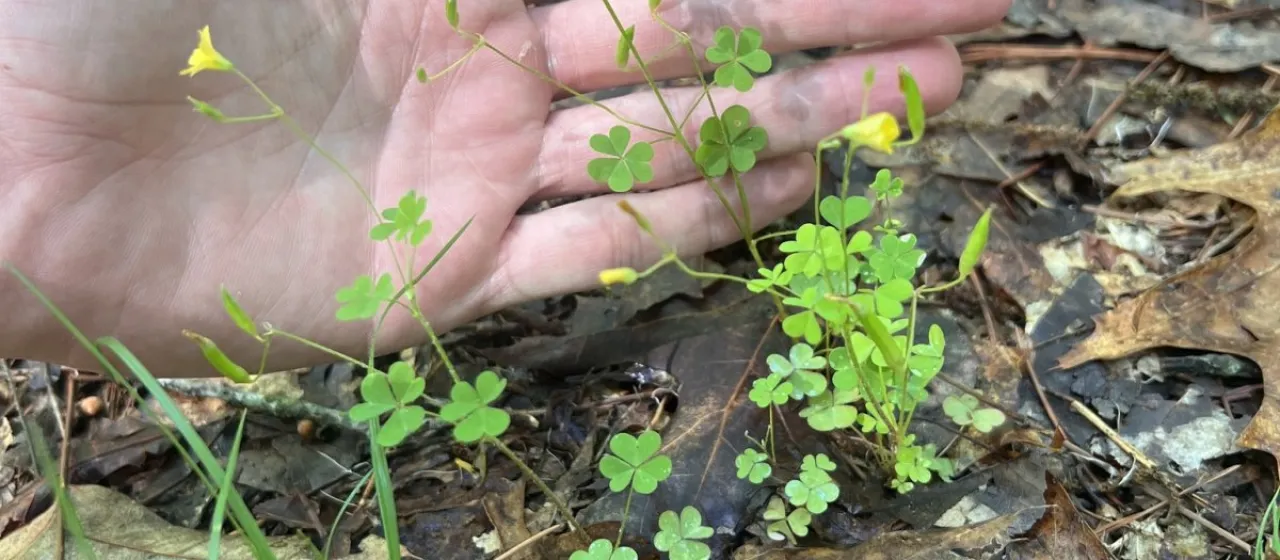
Botanically, Oxalis florida is characterized by its trifoliate leaves and small, delicate flowers that typically exhibit yellow hues. The plant relies on a spreading rhizomatous root system, which is the primary driver of its colonization capability. The leaves show nyctinastic movement, folding down at night or under high-stress weather conditions, a classic feature of the genus.
Agricultural and horticultural requirements emphasize well-drained, porous soils with a slightly acidic to neutral pH. Proper sunlight exposure is crucial; while the plant can tolerate partial shade, maximum growth and flowering are observed in areas with ample diffused light. Consistent, light irrigation is preferred over heavy watering, as the root structure is susceptible to rot in waterlogged conditions.
The primary utility of Florida woodsorrel lies in landscape management and soil conservation. It acts as an excellent "living mulch," suppressing unwanted weeds and keeping the soil surface cool and moist. In some specialized nurseries, it is propagated for use in rock gardens or as a filler plant in perennial borders, appreciated for its consistent growth habit and relatively low maintenance requirements.
- Excellent weed suppression properties for small plots.
- Natural tolerance to moderate drought conditions.
- High survival rate in diverse soil environments.
- Ease of propagation through root division.
Pest management for Oxalis florida focuses on monitoring for aphids and spider mites, which tend to infest the foliage during warm, dry spells. Fungal issues, including powdery mildew or root rot, are typically restricted to environments with poor air circulation or excessive soil moisture. Proper plant spacing and avoiding overhead irrigation are effective management strategies to maintain plant health.
Photo gallery