Description
Griffith's wood sorrel (Oxalis griffithii) is a perennial herbaceous plant belonging to the Oxalidaceae family. Unlike many ornamental sorrel species found in sunny borders, this specific taxon is a forest-dwelling plant, characterized by its remarkable shade tolerance and creeping growth habit, which makes it an ideal choice for woodland garden settings.
Native to the temperate and mountainous regions of East and Southeast Asia, including parts of the Himalayas and Japan, this species thrives in cool, moist environments. Its distribution pattern in the wild suggests that it is best suited for cultivation in zones that replicate the cool, humid conditions of the forest floor.
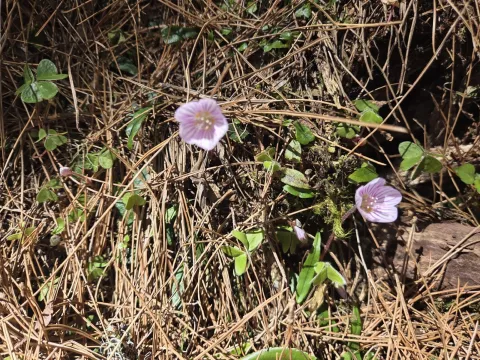
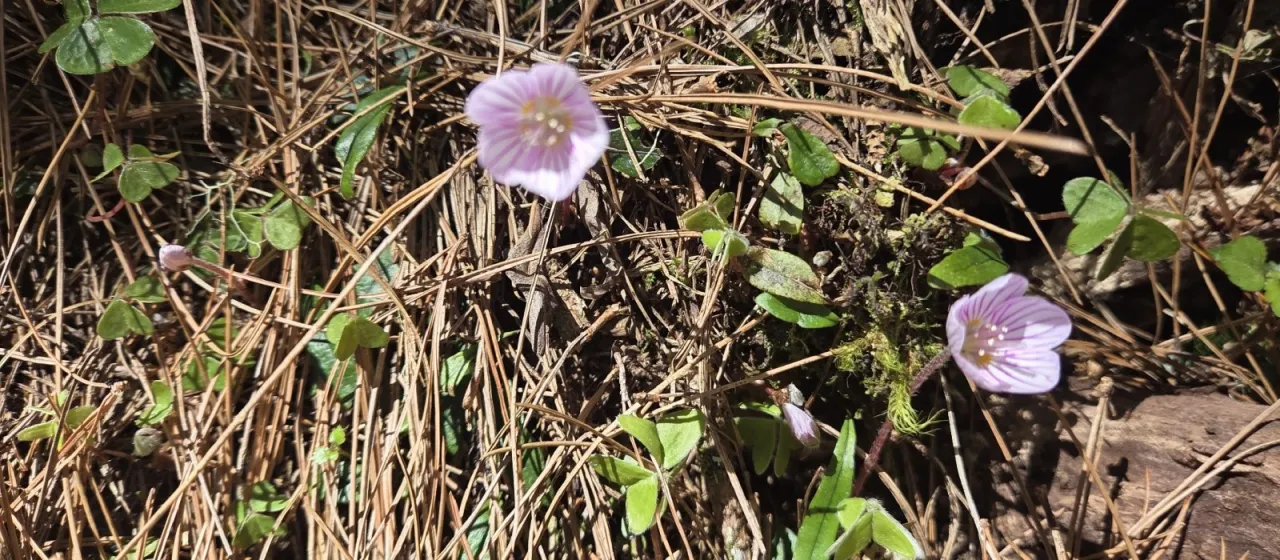
Botanically, Oxalis griffithii is distinguished by its trifoliate leaves, which arise from thin, creeping rhizomes, and solitary, delicate white or pale pink flowers. The root system is shallow, necessitating a consistent moisture supply throughout the growing season to prevent desiccation during periods of heat or low humidity.
Successful cultivation requires a well-draining, humus-rich soil with a slightly acidic to neutral pH level. Proper site selection is crucial; the plant performs best in protected, shaded locations where it is shielded from the intensity of direct midday sun, which can cause severe foliage scorch.
- Maintain consistent soil moisture without waterlogging the roots.
- Apply leaf mold or organic mulch to protect the shallow root system.
- Divide mature clumps every few years to maintain plant vigor.
- Protect from excessive competition by aggressive weeds.
In landscape architecture, Griffith's wood sorrel is primarily utilized as an effective groundcover for shaded borders, fern gardens, or understory plantings beneath trees. Its ability to form a dense, uniform carpet effectively suppresses weed germination and contributes to the aesthetic appeal of low-light garden segments.
Pathogen susceptibility in this species is generally low, provided that drainage is adequate and air circulation is maintained. However, in overly damp conditions, root rot may occur. Gardeners should also monitor for slugs and snails, which may graze on the foliage during cool, rainy weather, potentially requiring targeted management.
Photo gallery